
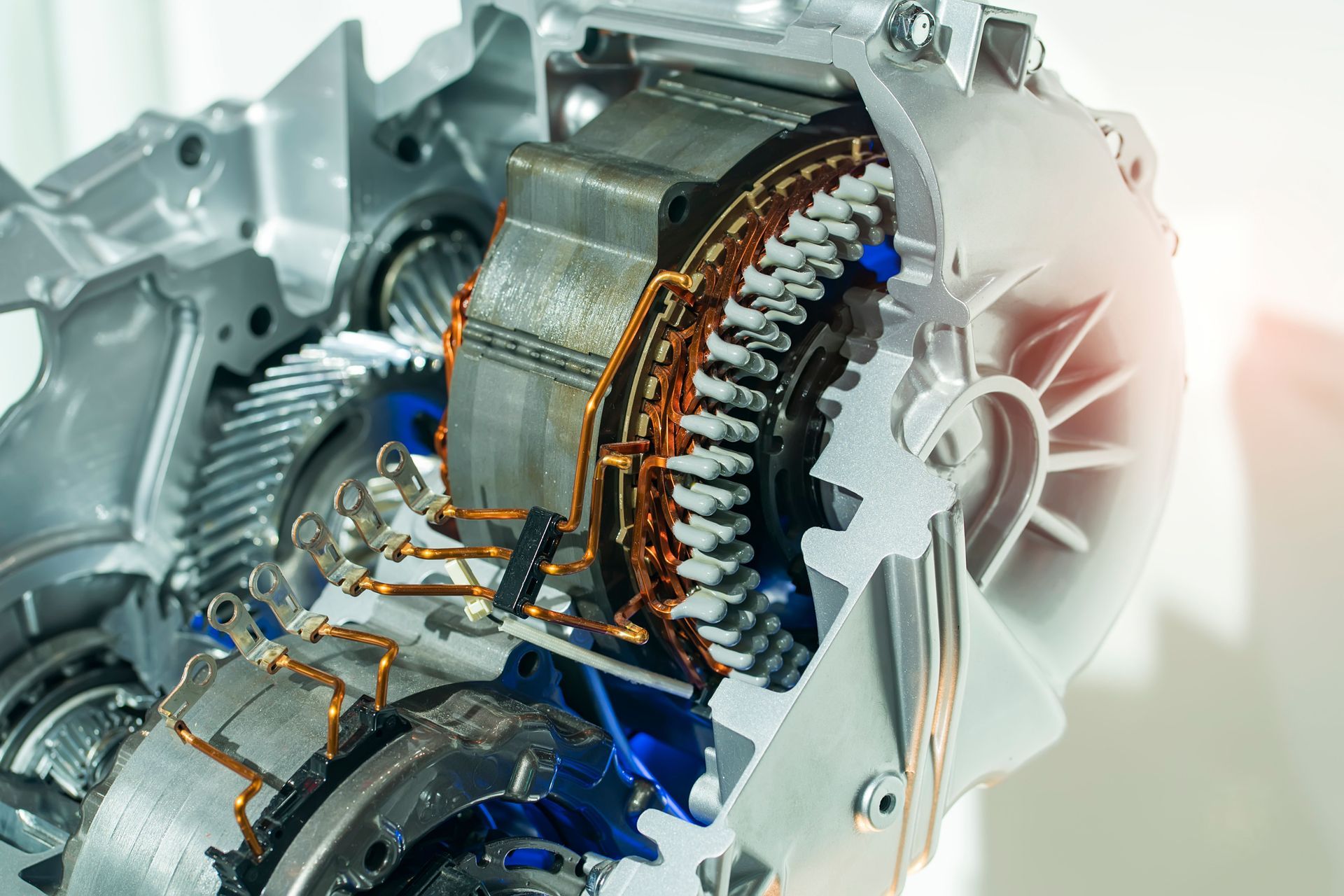
Spot the warning signs of transmission failure—from slipping gears to burning odors—and learn when to schedule a reliable transmission replacement service.
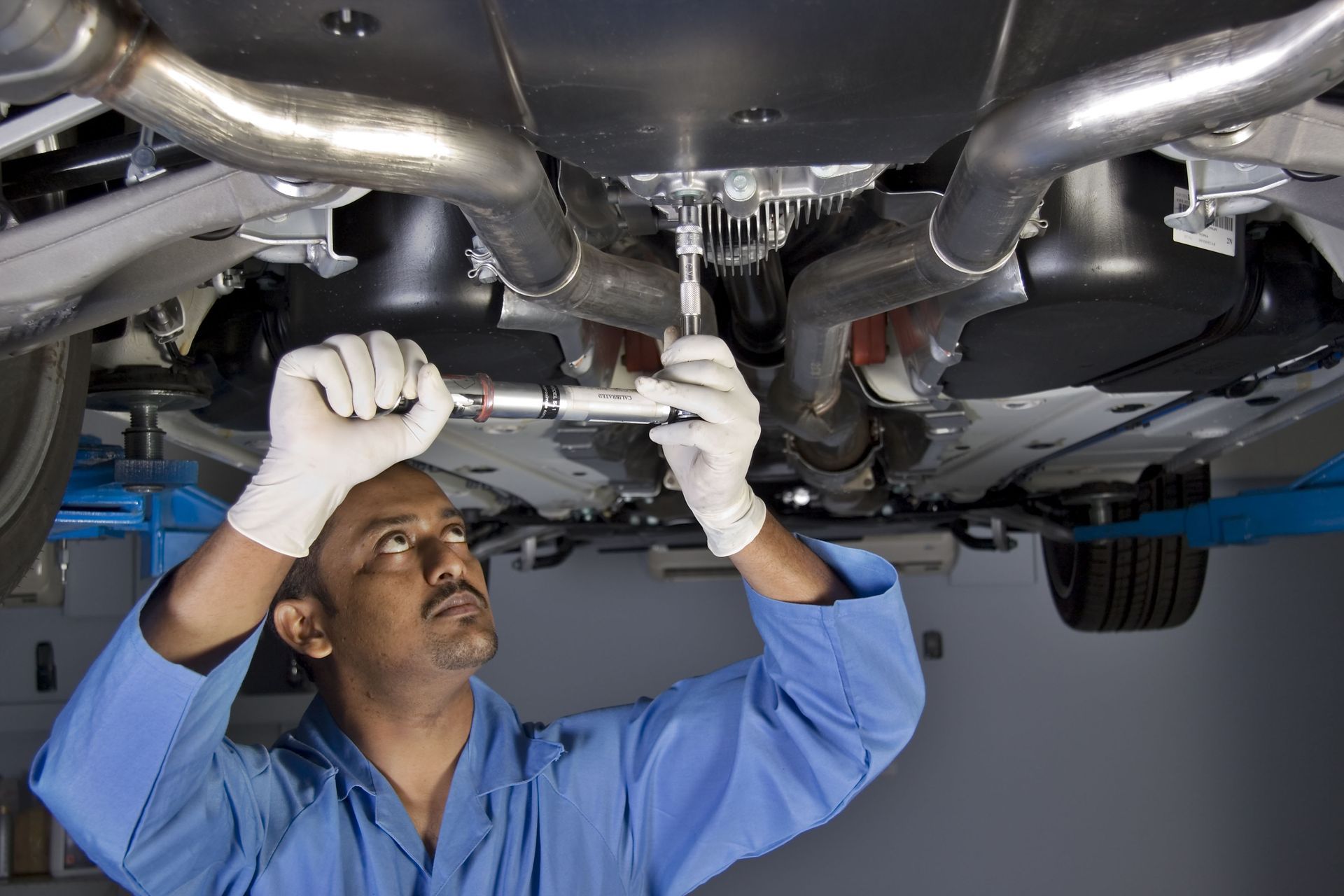
When your vehicle begins experiencing transmission problems, deciding whether to repair or replace the system can feel overwhelming. The transmission plays an essential role in transferring engine power to the wheels, and problems with this component can affect performance, reliability, and safety. Understanding your options can help you make a financially responsible decision while protecting your vehicle. At Cook's Transmission Service, we understand how important dependable transportation is to our customers. Our goal is to help drivers understand their transmission concerns and determine whether repairs or a professional transmission replacement service offer the most practical solution. Understanding Your Vehicle's Transmission Recognizing Different Transmission Types Vehicles use several transmission designs, including manual, conventional automatic, and continuously variable transmissions (CVTs). Each system operates differently and has specific maintenance and repair requirements. Manual transmissions rely on driver-operated clutches and gear selection, while conventional automatics use hydraulic systems and electronic controls to manage shifting. CVTs adjust gear ratios continuously, providing smooth acceleration without traditional fixed gear changes. According to Mordor Intelligence, torque-converter automatics led the automotive automatic transmission market with a 47.24% market share in 2025. This statistic highlights the continued importance of conventional automatic transmission technology in modern vehicles. Understanding your vehicle's transmission type helps our technicians evaluate potential problems and recommend appropriate solutions. Identifying Essential Transmission Components A transmission contains numerous interconnected components responsible for transferring power efficiently. Gears, clutches, seals, sensors, and transmission fluid all contribute to proper operation. In conventional automatic transmissions, the torque converter transfers engine power into the transmission while allowing the vehicle to remain stationary with the engine running. Electronic controls coordinate shifting based on driving conditions. Transmission fluid provides lubrication, cooling, and hydraulic pressure in many systems. When components deteriorate or fluid conditions become unsuitable, shifting performance may suffer. Our technicians consider how these components interact before recommending repairs or a transmission replacement service. Accurate diagnosis helps avoid unnecessary work and supports dependable results. Recognizing Common Transmission Problems Transmission problems often develop gradually, although some failures occur unexpectedly. Drivers may notice delayed engagement, slipping gears, rough shifting, unusual noises, or hesitation during acceleration. Fluid leaks and burning odors can also indicate developing problems. In certain situations, dashboard warning lights may appear when electronic controls detect irregular operation. These symptoms do not automatically mean the entire transmission requires replacement. Some problems involve isolated components, while others indicate significant internal damage. At Cook's Transmission Service, we encourage customers to seek professional inspections when these warning signs appear. Early attention can help identify manageable problems before additional damage develops. Evaluating Transmission Repair Options Comparing Repair Costs Cost is often the first consideration when customers face transmission problems. Repairs can be more affordable than replacement when damage is limited to specific components. For example, certain leaks, electrical faults, or control-system problems may be resolved without replacing the complete transmission. However, extensive internal damage can make repairs considerably more expensive. Our approach emphasizes evaluating the condition of the transmission before recommending a solution. A detailed assessment helps customers understand the expected expenses and potential benefits of each option. Although a transmission replacement service generally requires a larger initial investment, it may provide better long-term value when extensive repairs would otherwise be necessary. Assessing the Extent of Damage The severity of transmission damage strongly influences whether repairs remain practical. Minor problems involving accessible components may be addressed through targeted professional repairs. More serious conditions, including damaged internal gears, worn clutch assemblies, or widespread mechanical deterioration, can require extensive work. Our technicians examine available diagnostic information, operating symptoms, and relevant mechanical conditions to determine the likely source of trouble. When damage affects multiple critical components, a transmission replacement service may offer a more dependable solution than repeated repairs. A thorough evaluation allows us to explain the available options and help customers avoid spending money on repairs unlikely to provide lasting results. Reviewing Parts Availability Replacement-part availability can significantly affect transmission repair decisions. Common vehicle models may have accessible components, making certain repairs more convenient and affordable. Older vehicles, uncommon transmission designs, and discontinued components can create sourcing challenges. Limited availability may increase expenses or extend repair timelines. Our team considers component availability when evaluating possible repairs. We also discuss whether replacement assemblies provide a more practical alternative. Choosing between repair and replacement requires balancing parts availability, overall costs, vehicle condition, and expected reliability. Considering Repair Timelines Transmission work can affect daily transportation, making completion time an important consideration. Minor repairs may require relatively little downtime, while extensive internal work can take considerably longer. Diagnostic requirements, parts availability, and mechanical complexity all influence scheduling. A transmission replacement service may sometimes offer a more predictable repair process when a compatible replacement unit is readily available. At Cook's Transmission Service, we believe customers should understand anticipated timelines before authorizing major work. Clear communication helps drivers plan around transportation needs and avoid unnecessary uncertainty. Understanding Warranty Coverage Warranty protection is another important consideration when comparing transmission repairs and replacements. Coverage can vary depending on the components involved, the work performed, and the applicable supplier or service terms. Some warranties include both parts and labor, while others provide more limited protection. Customers should understand warranty duration, exclusions, and any maintenance requirements before approving service. We encourage drivers to review applicable coverage carefully rather than assuming every repair or replacement includes identical protection. Evaluating Transmission Replacement Options Comparing New and Rebuilt Transmissions When extensive damage makes repairs impractical, replacement becomes an important option. Customers may encounter new, rebuilt, or remanufactured transmissions, depending on vehicle compatibility and availability. New transmissions typically involve higher initial costs, although pricing and availability vary. Rebuilt transmissions are disassembled and repaired with worn or damaged components replaced as needed. Remanufactured transmissions generally undergo a more standardized restoration process intended to meet defined performance specifications. Each option has potential advantages depending on the vehicle, budget, and available warranty coverage. Our transmission replacement service focuses on helping customers understand suitable replacement choices without assuming that the most expensive option is automatically the best. Considering Vehicle Age and Value A vehicle's age, mileage, overall condition, and market value should influence major transmission decisions. Replacing the transmission in an otherwise dependable vehicle may be financially sensible, particularly when the engine, suspension, and other essential systems remain in good condition. However, substantial transmission expenses may be difficult to justify when a vehicle already requires numerous additional repairs. We encourage customers to consider their long-term transportation plans alongside immediate service costs. A professional transmission replacement service can help extend the useful life of a vehicle when the investment aligns with its overall condition and expected future use. Reviewing Manufacturer Specifications Transmission compatibility is essential when selecting replacement components. Different vehicle models may require specific gear ratios, electronic controls, mounting configurations, and programming procedures. Installing an incompatible transmission can create shifting problems, warning lights, or additional mechanical complications. Professional technicians evaluate manufacturer specifications and vehicle requirements before recommending a replacement assembly. At Cook's Transmission Service, we emphasize the importance of selecting components appropriate for the vehicle rather than relying on appearance or general compatibility alone. Correct component selection supports dependable operation and reduces the risk of avoidable installation problems. Making an Informed Transmission Decision Prioritizing Professional Diagnostics A reliable repair decision begins with identifying the actual problem. Transmission symptoms can sometimes resemble issues involving sensors, engine performance, or other drivetrain components. Professional diagnostics help distinguish between problems that require relatively limited repairs and conditions involving substantial internal damage. Our team believes customers deserve clear explanations before committing to major automotive work. Whether the appropriate solution involves targeted repairs or a transmission replacement service, understanding the diagnosis helps customers make confident decisions. Choosing Long-Term Reliability The least expensive immediate repair is not always the most economical long-term option. Customers should consider potential recurring problems, warranty coverage, expected vehicle lifespan, and overall reliability. When repairs can restore dependable performance at a reasonable cost, replacement may be unnecessary. When internal damage is extensive, replacing the transmission may provide better value. At Cook's Transmission Service, we focus on helping drivers evaluate these considerations without unnecessary pressure. If your vehicle is experiencing shifting problems, unusual noises, or other transmission concerns, contact Cook's Transmission Service to discuss a professional inspection. Our team can help you understand your options and determine whether transmission repairs or a transmission replacement service best suit your vehicle's needs.
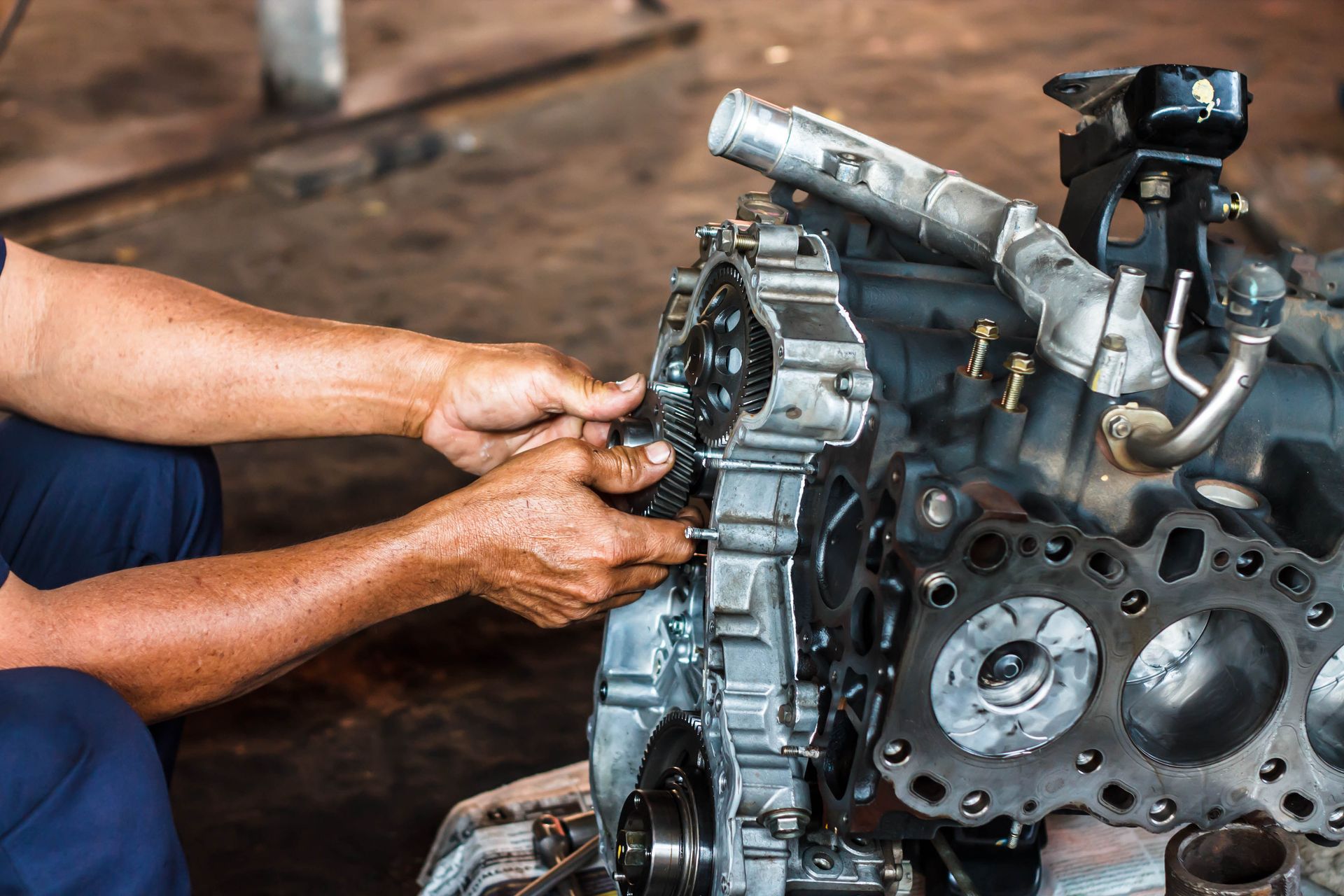
Learn how local transmission repair helps prevent costly damage through routine inspections, fluid maintenance, expert diagnostics, and timely repairs.