Maintaining your vehicle’s transmission is essential for dependable performance, smooth shifting, and long-term reliability. Transmission problems can become expensive when small warning signs are ignored, making professional inspections and routine service important parts of vehicle ownership. Whether your vehicle is driven daily, used for commuting, or regularly exposed to heavy traffic, proper transmission care can help reduce unnecessary wear.
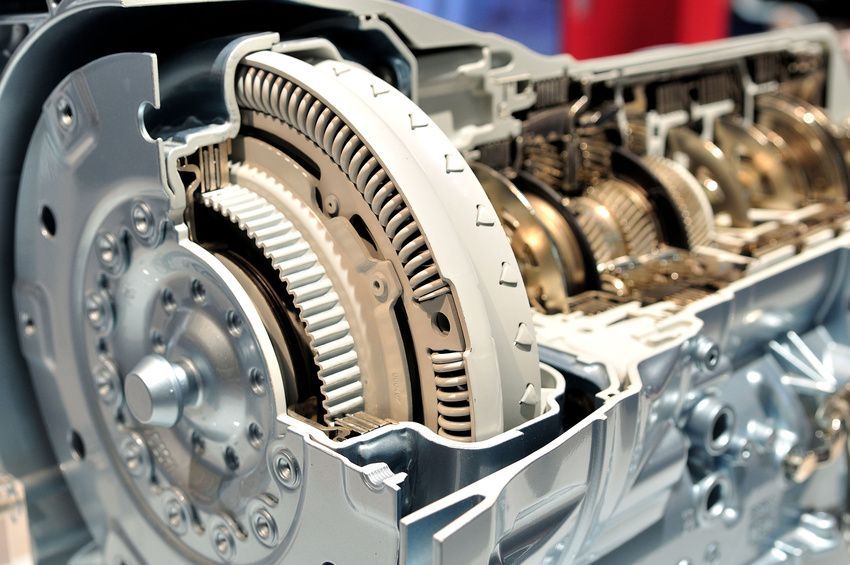
According to the U.S. Department of Energy, more than 99% of vehicles manufactured yearly in the United States contain automatic transmissions. With automatic transmissions being so common, understanding how professional maintenance supports their operation is important for nearly every vehicle owner. Working with a qualified local transmission repair provider can help identify developing problems before they result in more extensive damage.
Keep Up With Professional Inspections
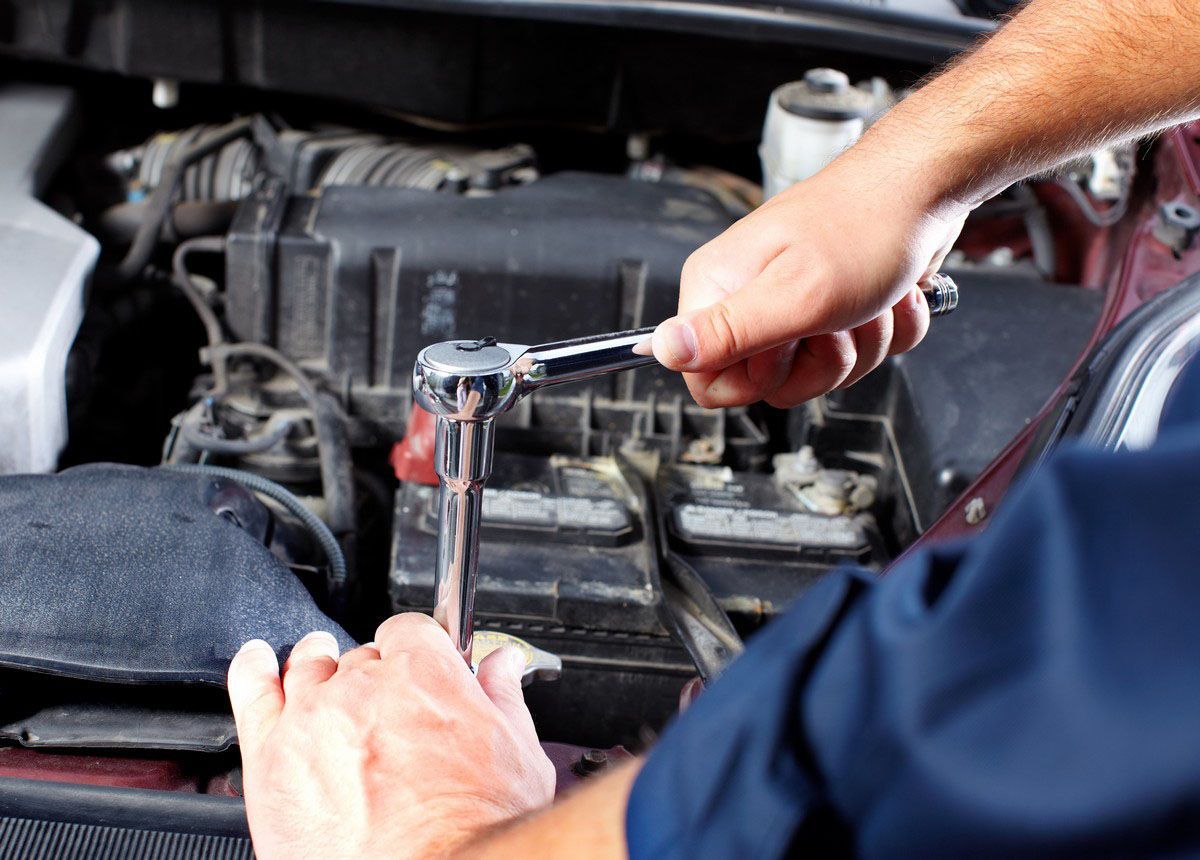
Routine inspections allow transmission specialists to identify developing problems before they become major repairs. During an inspection, technicians can evaluate fluid condition, leaks, shifting performance, transmission components, and electronic systems. Warning signs such as delayed engagement, slipping gears, unusual noises, burning odors, or difficulty shifting should not be ignored. These symptoms may indicate anything from fluid problems to worn internal components. Prompt service can help prevent a relatively manageable problem from progressing into a more expensive transmission failure.
Professional diagnostic equipment can also provide information that is difficult to identify through a basic visual inspection. Modern vehicles rely on electronic sensors and computer-controlled transmission systems, making accurate diagnostics an important part of professional service. Maintaining records of inspections and repairs can also help technicians understand a vehicle's service history. Documentation can make it easier to identify recurring concerns and determine when certain services were last performed.
Pay Attention to Transmission Fluid
Transmission fluid plays an important role in lubrication, cooling, and hydraulic operation. Over time, heat and contaminants can affect its condition, potentially reducing its ability to protect internal components.
The appropriate fluid and service interval depend on the vehicle. Manufacturers may specify different fluids and maintenance schedules, so service should be performed according to the vehicle's requirements. Using an incorrect fluid can interfere with transmission operation and may contribute to premature wear.
Leaks should also receive prompt attention. Transmission fluid beneath a vehicle or around transmission components can indicate a developing problem. Allowing fluid levels to become too low can increase friction and heat, potentially causing significant internal damage. Professional technicians can evaluate the fluid, identify leaks, and determine whether a fluid service or additional transmission repairs are appropriate. For drivers seeking local transmission repair, addressing fluid-related concerns early can help protect the transmission from unnecessary stress.
Practice Transmission-Friendly Driving
Driving habits can affect how much stress a transmission experiences. Rapid acceleration, abrupt gear changes, and excessive loads can increase heat and wear, particularly when they occur frequently.
Vehicle owners should also follow manufacturer recommendations when towing. Exceeding a vehicle's rated towing capacity can place additional demands on the transmission and cooling system. Vehicles regularly used for towing may require additional attention to transmission temperature and service intervals.
Weather can also influence transmission operation. Extreme heat can accelerate fluid degradation, while cold temperatures may affect fluid flow and shifting performance. Professional maintenance can help ensure the transmission is properly serviced for the conditions in which the vehicle is regularly operated. These considerations are especially relevant for drivers who frequently encounter stop-and-go traffic, steep terrain, heavy loads, or extended highway travel. Discussing driving conditions with a transmission specialist can help establish an appropriate maintenance schedule.
Use Quality Replacement Components
Transmission repairs often involve replacing worn filters, seals, sensors, or internal components. Using properly matched, quality parts helps ensure that repaired systems function as intended. Compatibility is particularly important because modern transmissions can have highly specific component requirements. Professional technicians can identify the correct replacement parts based on the vehicle's make, model, transmission type, and existing components.
Transmission filters also help keep contaminants from circulating through the system. When filters become restricted or contaminated, fluid flow can be affected. During appropriate transmission services, technicians can determine whether filter replacement is necessary.
For vehicles exposed to demanding conditions, transmission cooling may also deserve attention. Additional cooling capacity can sometimes be appropriate for vehicles that regularly tow, carry heavy loads, or operate in particularly hot environments. A qualified technician can determine whether additional cooling equipment is suitable for a specific vehicle.
Know When Professional Service Is Needed
Transmission problems rarely improve when they are ignored. Persistent slipping, harsh shifting, delayed engagement, fluid leaks, unusual sounds, or warning lights should prompt an evaluation by a qualified technician. Professional transmission specialists have access to diagnostic equipment and repair procedures designed for modern vehicles.
Accurate diagnosis is important because similar symptoms can sometimes have very different causes. A transmission specialist can determine whether a problem involves fluid, electronics, external components, or internal transmission parts. For drivers searching for local transmission repair, selecting an experienced shop can provide access to specialized knowledge that general vehicle maintenance may not cover. Professional evaluation can also help determine whether a transmission should be repaired, rebuilt, or replaced based on its condition.
Consider Repair and Rebuild Options
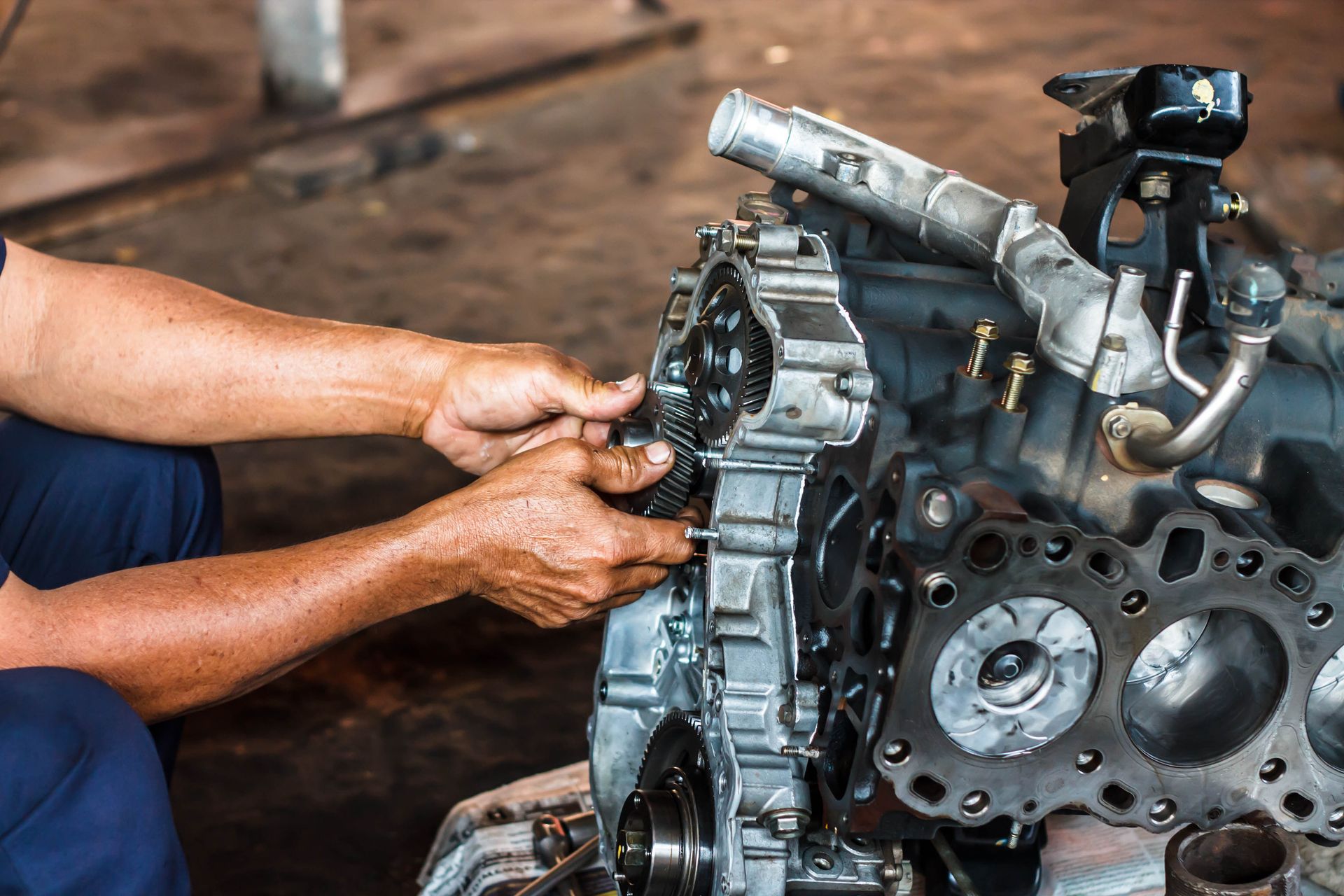
Not every transmission problem requires complete replacement. Depending on the extent of the damage, repairs may involve individual components, seals, sensors, or other parts. In cases involving more extensive internal wear, a rebuild may be considered. A transmission rebuild typically involves disassembling the unit, inspecting its components, replacing worn or damaged parts, and reassembling it according to applicable specifications.
The appropriate solution depends on the vehicle, transmission condition, age, mileage, and extent of damage. A professional evaluation can provide a clearer understanding of available repair options and associated costs. Obtaining an accurate diagnosis before authorizing major work is particularly important. For local transmission repair services, a qualified shop can explain what has failed, what repairs are required, and what customers can expect from the service.
Protect the Transmission During Vehicle Storage
Vehicles that remain parked for extended periods can still develop maintenance concerns. Before long-term storage, professional service can help identify existing transmission leaks or other issues that could worsen while the vehicle sits unused. Environmental conditions can also affect vehicles during storage. Extreme heat, moisture, and fluctuating temperatures can contribute to deterioration of various vehicle components. A garage or suitable covered storage area can reduce exposure to these conditions.
When a vehicle is returned to regular use after extended storage, an inspection at a local transmission repair center can help identify any problems that may have developed during inactivity. This is particularly important for older vehicles or those that already had maintenance concerns before being stored.
Address Transmission Problems Early
One of the most effective ways to protect a transmission is to address unusual behavior as soon as it appears. Delaying service can allow a minor issue to place additional stress on other components.
A vehicle that hesitates before moving, shifts harshly, produces unusual noises, or shows signs of leaking fluid should receive professional attention. Early diagnosis may provide more repair options and help prevent additional component damage. Regular maintenance should also be based on the vehicle manufacturer's recommendations and the conditions under which it operates. A commuter vehicle exposed to heavy city traffic may have different service needs from a vehicle primarily driven on highways.
For dependable local transmission repair, professional technicians can evaluate the transmission, identify potential concerns, and recommend service based on the vehicle's specific condition. Transmission maintenance is an important part of keeping a vehicle dependable over the long term. Professional inspections, appropriate fluid service, quality replacement components, and timely repairs can all help reduce unnecessary transmission wear.
When shifting problems, leaks, warning lights, or unusual transmission behavior appear, professional evaluation can help identify the cause before the issue becomes more extensive. Choosing a qualified shop for
local transmission repair also gives vehicle owners access to specialized diagnostic equipment and transmission expertise. For professional transmission inspections, diagnostics, repairs, and maintenance, contact Cook's Transmission Service. The team can help evaluate your vehicle's transmission and determine the appropriate service based on its condition and needs.