A burning smell from a vehicle is easy to overlook, especially after a long drive or heavy traffic. However, an unusual odor coming from the transmission area can indicate that components are getting hotter than they should. Because the transmission transfers engine power to the wheels, problems can affect drivability.
The smell may resemble burnt oil or overheated plastic. Its character can vary by source. A transmission fluid problem, excessive friction, an overheating component, or another mechanical concern may be responsible. The odor can be an early warning that deserves professional attention before a smaller issue becomes a larger repair.
Understanding common automatic transmission problems can help drivers recognize why an unusual smell should not be ignored. Prompt evaluation can also help identify whether the concern involves a fluid condition, internal components, seals, or another part of the drivetrain. This is particularly useful when automatic transmission problems appear intermittently, since symptoms can change as temperature and driving conditions change.
Identifying Common Sources of Burning Odors
One common source is overheated transmission fluid. Transmission fluid lubricates components, manages temperature, and supports hydraulic functions. When fluid becomes degraded, contaminated, too low, or exposed to excessive heat, it may develop a burnt odor. Dark or discolored fluid can also indicate that the fluid has been subjected to heat or wear.
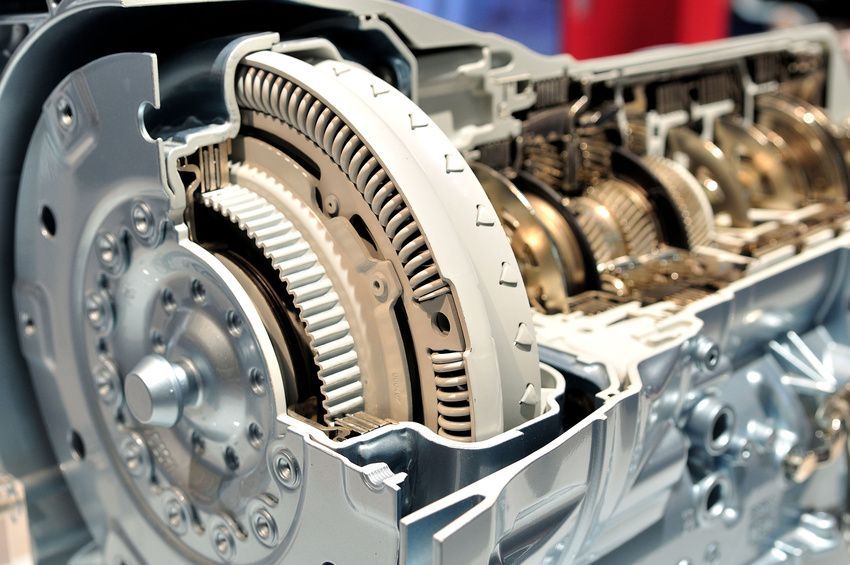
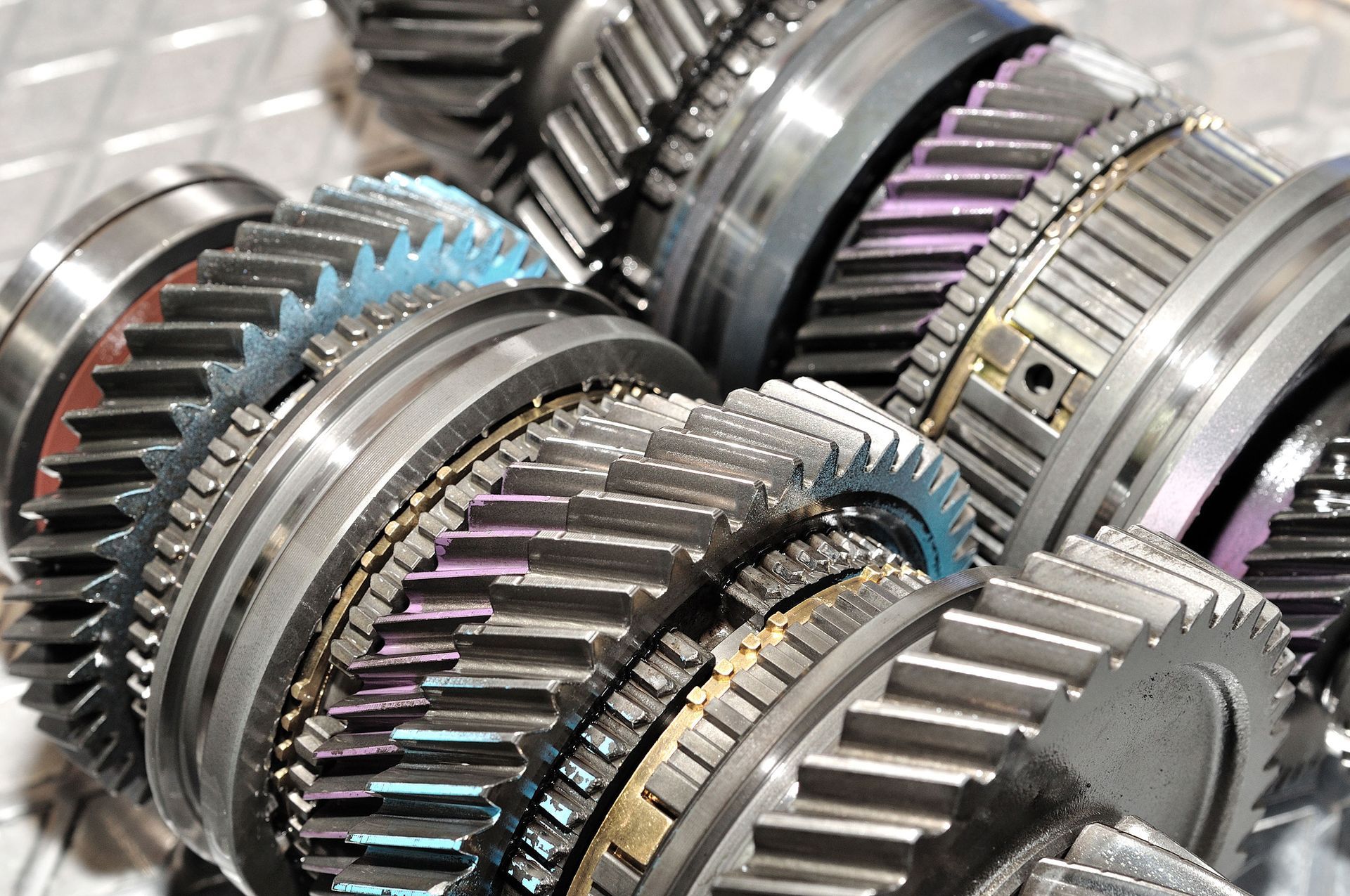
Friction can create another source of heat. Inside an automatic transmission, clutch packs, bands, gears, bearings, and other components operate under demanding conditions. If a component is slipping or not functioning correctly, friction can increase temperatures and contribute to a burning smell. That problem may eventually cause shifting concerns or additional wear.
Leaks are another consideration. A transmission fluid leak can allow fluid levels to fall, reducing lubrication and heat management. Fluid that reaches a hot exhaust component may also create an odor that seems to come from beneath the vehicle. Because several vehicle systems are located close together, identifying the source by smell alone can be difficult.
Connecting Burning Smells With Automatic Transmission Problems
A burning odor does not automatically mean the transmission itself has failed. It does, however, provide a useful reason to have the vehicle evaluated. Other signs can help technicians understand what is happening.
Drivers may notice delayed engagement when shifting into Drive or Reverse, slipping between gears, unusual noises, hesitation, rough shifting, or changes in vehicle response. Fluid spots beneath the vehicle can also provide an important clue. When an odor appears alongside one or more of these symptoms, the possibility of automatic transmission problems becomes more significant. Even a mild change in shifting quality can be useful information during an inspection.
Seasonal driving conditions can add stress to a transmission. Summer heat can raise under-hood temperatures, while stop-and-go traffic, towing, steep grades, and frequent short trips can increase operating demands. In colder weather, fluid may behave differently until the vehicle reaches operating temperature. These conditions do not necessarily create a transmission failure, but they can make an existing concern more noticeable.
Understanding Why Overheating Matters
Heat is a major concern for transmission operation. Transmission fluid is designed to work within a specific operating range, and excessive heat can accelerate fluid degradation. As fluid loses desirable properties, lubrication and heat transfer can become less effective.
Overheating can have several causes. Low fluid levels, restricted airflow, heavy vehicle loads, component wear, and other mechanical issues may contribute. In some vehicles, cooling components help transfer transmission heat away from the fluid. A problem within that system can therefore affect transmission temperatures even when the transmission's internal components are initially functioning normally.
Repeated overheating should receive professional attention because continued exposure to excessive heat can increase wear. Ignoring recurring automatic transmission problems may allow heat, friction, or fluid loss to affect additional components. Addressing the underlying cause is generally more useful than simply treating the odor as an isolated symptom.
Recognizing Signs That Call for Service
A burning smell deserves greater attention when it keeps returning, becomes stronger, or occurs while the vehicle is being driven. New shifting behavior is another reason to arrange an inspection. Warning lights, fluid leaks, unusual noises, or reduced acceleration can provide additional evidence that a mechanical issue needs to be evaluated.
Safety should remain the priority when a vehicle behaves unexpectedly. According to the National Library of Medicine, car crashes result in approximately 1.35 million fatalities each year. The figure comes from research discussing global road traffic injuries, and it underscores why maintaining a vehicle's mechanical condition matters for safe transportation.
A burning odor alone does not establish whether a vehicle is safe to continue driving. If the smell is accompanied by smoke, significant fluid loss, severe shifting problems, or another alarming symptom, stopping in a safe location and seeking professional assistance is a prudent response.
Understanding How Professional Diagnosis Helps
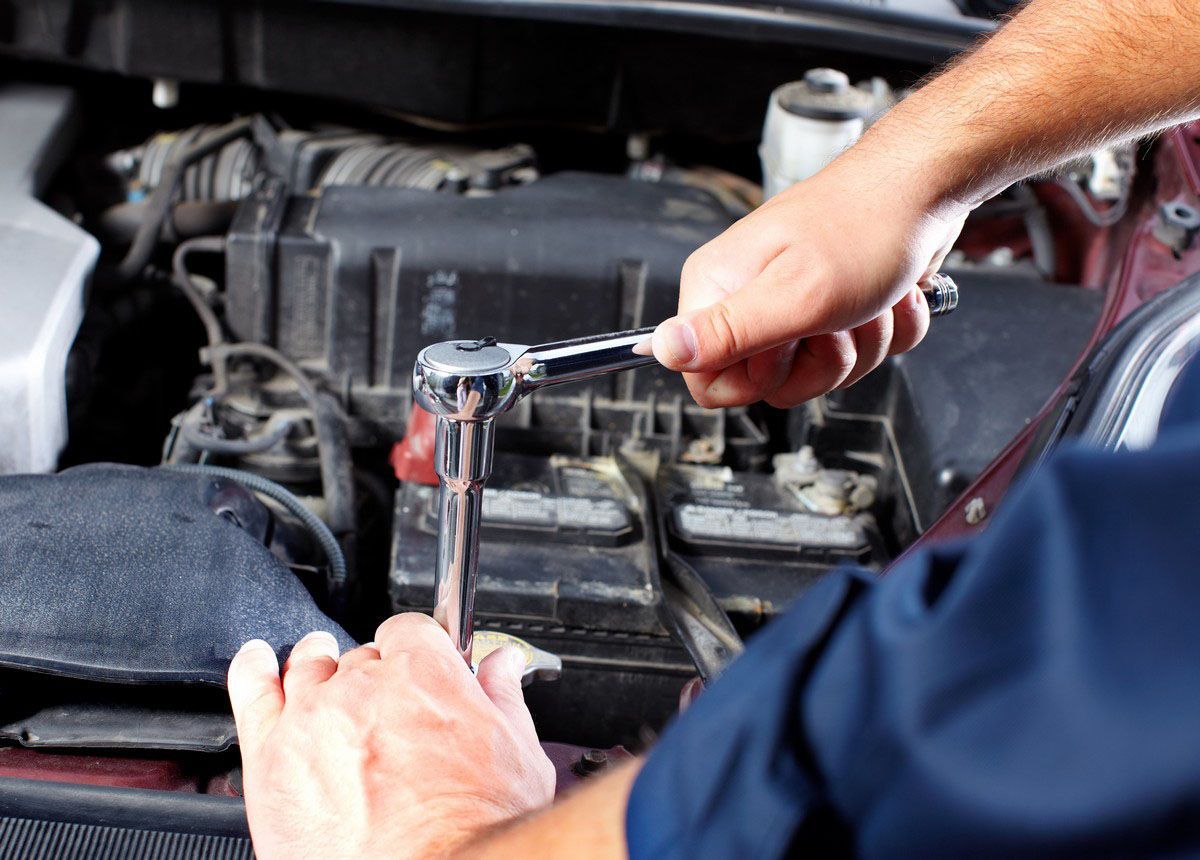
A transmission technician can approach a burning smell as a diagnostic symptom rather than assuming a single cause. An inspection may include checking fluid condition and level, looking for leaks, evaluating visible components, and assessing how the vehicle shifts. Depending on the findings, additional diagnostic procedures may be appropriate.
Professional evaluation is especially useful because similar odors can come from different sources. Engine oil, coolant, electrical components, brakes, exhaust parts, and transmission fluid can each produce distinct smells when exposed to abnormal heat. For drivers concerned about automatic transmission problems, an accurate diagnosis can distinguish a transmission-related odor from a separate issue elsewhere in the vehicle.
When automatic transmission problems are identified early, technicians may have more information available to determine the appropriate repair. The required service depends on the vehicle, its condition, mileage, maintenance history, and the specific fault discovered during diagnosis.
Preventing Small Transmission Concerns From Growing
Routine maintenance can support reliable transmission operation over time. Following the vehicle manufacturer's maintenance recommendations is an important starting point because service requirements vary by make, model, transmission design, and driving conditions. Fluid specifications also differ, so using the correct fluid is essential when service is required.
Drivers can also pay attention to changes that develop between routine maintenance visits. A new odor, unusual shift, leak, vibration, or warning light is worth noting rather than assuming it will disappear. Keeping track of when a symptom occurs can give a technician useful diagnostic information. For example, noting whether a smell appears after highway driving, towing, or extended idling may help identify patterns.
Good maintenance does not guarantee that a transmission will never develop a problem. It can, however, help support dependable operation and provide opportunities to identify developing concerns before they become more complicated.
Protecting Reliable Driving Through Timely Service
A burning transmission smell is a signal worth taking seriously, but it is not a diagnosis by itself. The odor may result from overheated fluid, friction, a leak, or another component exposed to excessive heat. Additional symptoms can help clarify the situation, but determining the source accurately requires a proper inspection.
Recognizing automatic transmission problems early can help vehicle owners make informed decisions about service and protect the performance of their vehicles. Whether a vehicle is used for commuting, family transportation, work, or seasonal travel, dependable shifting contributes to a smoother and more predictable driving experience.
For professional transmission inspection, maintenance, or repair, Cook's Transmission Service can help identify the source of unusual transmission symptoms and determine the appropriate next step. Contact the shop today to schedule service and address a burning transmission smell before the underlying issue becomes more serious.