Your vehicle's transmission is one of its most critical components, responsible for transferring power from the engine to the wheels and enabling smooth gear changes. When transmission problems develop, they can significantly affect vehicle performance, safety, and reliability. While some transmission issues can be repaired, there are situations where complete transmission replacements become the most practical and cost-effective solution.
For many drivers, the idea of replacing a transmission can feel overwhelming due to the complexity of the process and the potential costs involved. Understanding what to expect can help reduce uncertainty and allow vehicle owners to make informed decisions. From recognizing the warning signs to selecting a reputable service provider and maintaining the new transmission afterward, knowing the basics of transmission replacements can help ensure a successful outcome.
What Is Transmission Replacement?
Transmission replacement is the process of removing a damaged or worn transmission and installing a new, rebuilt, or remanufactured unit in its place. Because the transmission is responsible for managing power delivery and gear shifting, its proper operation is essential to overall vehicle performance.
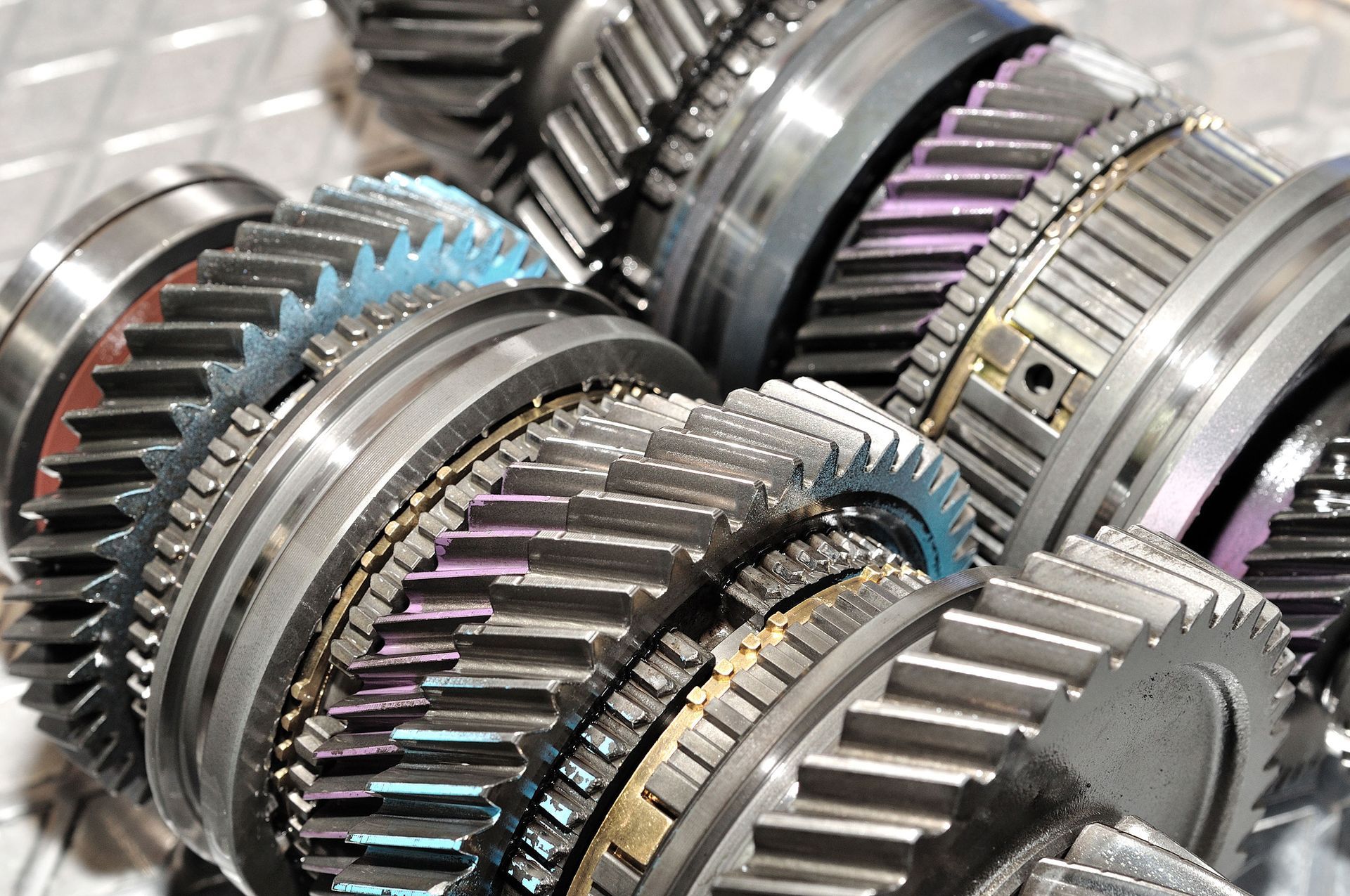
The transmission system consists of numerous components, including gears, clutches, torque converters, valve bodies, sensors, seals, and transmission fluid passages. When major internal components fail or sustain extensive wear, repairs may no longer be sufficient. In these situations, transmission replacements are often recommended.
Several factors can lead to the need for transmission replacements. High mileage, inadequate maintenance, overheating, fluid contamination, manufacturing defects, and normal wear over time can all contribute to transmission failure. Vehicles that frequently tow heavy loads or operate under demanding conditions may experience accelerated wear as well.
The replacement process typically begins with a thorough inspection and diagnosis. Technicians evaluate the transmission's condition and determine whether repairs or full transmission replacements are the most effective solution. Once replacement is approved, the old transmission is removed, related components are inspected, and the replacement unit is installed and tested.
While the procedure is complex, modern repair facilities have specialized equipment and trained technicians capable of performing transmission replacements efficiently and accurately.
How to Know If You Need a Transmission Replacement?
Many transmission problems develop gradually, making it important to recognize warning signs before a complete failure occurs. Identifying issues early may help prevent additional damage and provide more repair options.
One of the most common symptoms is difficulty shifting gears. Drivers may notice delayed engagement when moving from park to drive or experience rough, jerky shifts during acceleration. These symptoms often indicate internal wear or hydraulic issues within the transmission.
Unusual noises can also signal trouble. Grinding, whining, humming, or clunking sounds may suggest damaged gears, bearings, or other internal components. If these sounds become more frequent, a professional inspection is recommended.
Transmission fluid leaks are another warning sign. Healthy transmission fluid is typically red or pink and should remain at proper levels. Leaks can reduce lubrication and cooling, leading to increased wear and overheating.
Vehicle owners should also pay attention to dashboard warning lights. Modern vehicles use sensors to monitor transmission performance and may trigger warning indicators when problems are detected. Ignoring these alerts can allow minor issues to escalate into major failures requiring transmission replacements.
Additional symptoms may include slipping gears, poor acceleration, burning odors, shaking during gear changes, or a complete inability to move the vehicle. If multiple symptoms occur simultaneously, the likelihood of needing transmission replacements increases significantly.
Prompt diagnosis is essential because transmission problems rarely improve on their own. Addressing issues early can prevent further damage and help drivers understand the most appropriate course of action.
What Are the Cost Implications of Transmission Replacement?
One of the most common concerns surrounding transmission replacements is cost. Because transmissions are among the most sophisticated systems in a vehicle, replacement expenses can be substantial.
Several factors influence the total cost of transmission replacements. Vehicle make and model play a major role because some transmissions are more complex and expensive than others. Luxury vehicles, performance vehicles, and specialized commercial vehicles often require higher-priced components and labor.
The type of replacement transmission selected also affects pricing. New transmissions generally cost more than rebuilt or remanufactured units. However, they may offer additional reliability and warranty benefits. Remanufactured transmissions are frequently popular because they balance performance, quality, and affordability.
Labor costs represent another significant portion of the expense. Transmission replacements require specialized knowledge, diagnostic procedures, and many hours of labor. Technicians must remove numerous connected components before accessing and replacing the transmission.
Additional repairs may also increase costs. During transmission replacements, technicians sometimes discover worn mounts, damaged cooling lines, faulty sensors, or other related components that require attention. Addressing these issues during the replacement process can improve long-term reliability.
Vehicle owners should also consider downtime. According to Infiniti of Chattanooga, a transmission replacement may take one or two days. However, timelines can vary depending on parts availability, vehicle complexity, and any additional repairs that become necessary.
Obtaining multiple estimates and understanding what is included in each quote can help consumers make informed financial decisions regarding transmission replacements.
How to Choose the Right Service for Transmission Replacement?
Selecting the right repair facility is one of the most important steps in the transmission replacement process. The quality of the installation can directly affect the performance and longevity of the replacement unit.
Experience should be a primary consideration. Facilities with extensive experience performing transmission replacements are often better equipped to diagnose issues accurately and complete installations according to manufacturer specifications. Specialized transmission shops and reputable automotive service centers may offer valuable expertise.
Certification and training are also important indicators of quality. Technicians who receive ongoing education stay current with evolving vehicle technologies and transmission systems. Modern transmissions often involve advanced electronic controls that require specialized diagnostic capabilities.
Customer reviews and recommendations can provide additional insight. Positive feedback regarding workmanship, communication, and reliability may help identify trustworthy service providers. While no business is perfect, consistent customer satisfaction is generally a positive sign.
Warranty coverage should be reviewed carefully before committing to transmission replacements. Reputable providers typically offer warranties covering both parts and labor. Understanding warranty terms can provide peace of mind and protection against unexpected issues.
Transparency is equally important. Quality service providers explain diagnostic findings, outline replacement options, provide detailed estimates, and answer questions clearly. Open communication helps customers feel confident throughout the process.
Comparing multiple service providers allows vehicle owners to evaluate pricing, warranties, expertise, and customer service before making a final decision. Taking the time to research options can contribute to a more successful transmission replacement experience.
What Is Involved in Transmission Replacement Aftercare and Maintenance?
Proper maintenance after transmission replacements plays a crucial role in maximizing the lifespan of the new unit. Even the highest-quality transmission can experience premature wear if maintenance is neglected.
Following manufacturer maintenance recommendations is essential. This typically includes periodic inspections and transmission fluid service intervals. Clean transmission fluid helps lubricate components, regulate temperature, and reduce wear.
Drivers should monitor fluid levels regularly and watch for signs of leakage. Early detection of leaks can prevent fluid loss and protect the transmission from overheating or damage.
Driving habits also affect longevity. Aggressive acceleration, excessive towing, and sudden gear changes can place additional stress on transmission components. Practicing smooth driving techniques can help preserve the newly installed system.
Routine inspections provide another layer of protection. Professional technicians can identify minor issues before they become significant problems. Regular maintenance appointments help ensure optimal performance and reliability following transmission replacements.
Vehicle owners should remain attentive to unusual symptoms such as delayed shifting, strange noises, vibration, or warning lights. Addressing concerns promptly may prevent costly repairs and help maintain the transmission's condition.
By combining regular maintenance, responsible driving habits, and timely inspections, drivers can maximize the return on their investment and enjoy reliable performance from their replacement transmission.
Transmission replacements are significant automotive services that require careful consideration and professional expertise. Understanding the replacement process, recognizing warning signs, evaluating costs, selecting a qualified service provider, and following proper maintenance practices can help vehicle owners navigate the experience with confidence. While
transmission replacements represent a major investment, proper planning and ongoing care can contribute to long-term vehicle reliability and performance. If you need a transmission, reach out to Cook's Transmission Services today!