The concept of proactive vehicle care is becoming increasingly important in our modern society. As vehicles play an essential role in our daily lives, ensuring their optimal performance is paramount. This article delves into the significance of proactive vehicle maintenance, examining its numerous benefits. With advancements in technology, proactive vehicle care is becoming more accessible and efficient than ever. We will explore the history, components, and future trends of proactive vehicle care, while also discussing challenges and benefits associated with this approach. By adopting a mindset focused on prevention, we can collectively reduce the occurrence of major mechanical failures and keep our community moving safely.
1. Understand the Philosophy of Proactive Vehicle Care
Proactive vehicle care is the practice of maintaining a vehicle regularly to prevent breakdowns and extend its lifespan. It anticipates potential issues, addressing them early to avoid significant problems. Routine inspections, timely servicing, and utilizing technology for diagnostics are key aspects. By staying proactive, we can avoid costly repairs and ensure the safety and reliability of our vehicles. This approach covers everything from daily maintenance to advanced diagnostics and represents a shift from a reactive to a preventive strategy, vital for modern automotive longevity. Vehicle maintenance has evolved from being reactive to proactive over the decades, thanks to new technologies and a better understanding of mechanics. Historically, proactive maintenance was costly and limited to high-end vehicles or commercial fleets. Today, it is increasingly affordable and effective for the average owner, preventing minor issues from becoming severe transmission problems. Modern engineering, utilizing data and scheduled milestones, keeps cars in peak condition with less frequent interventions than vehicles of the past required.
2. Identify the Key Differences in Maintenance Strategies
Reactive maintenance fixes problems after they occur, often resulting in higher costs and increased vehicle downtime. In contrast, proactive maintenance prevents emergencies by addressing issues preemptively. According to SNS Insider, 60% of vehicle owners prioritized preventive transmission servicing in 2024, showing increased interest in proactive measures. The automotive industry is adopting proactive maintenance strategies to meet consumer demand for reliability and safety. Car manufacturers now integrate advanced diagnostics and telematics systems during design, making vehicles self-monitoring. Service providers offer comprehensive maintenance packages to encourage routine check-ups. Fleet operators use predictive analytics to manage vehicle health efficiently. We are witnessing a revolution in how service data is shared to protect the consumer's investment. Consistent oversight is the most effective way to identify transmission problems before requiring a complete overhaul.
3. Implement Scheduled Maintenance and Professional Oversight
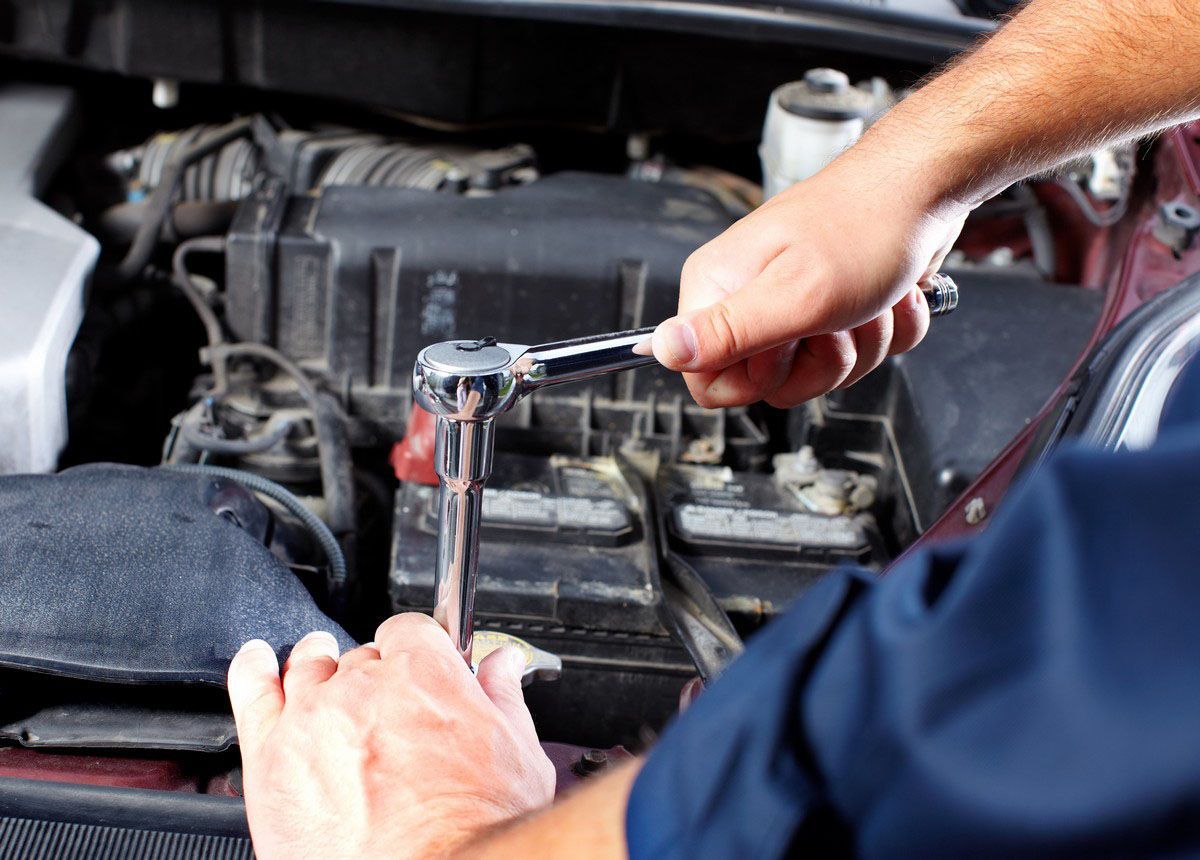
Scheduled maintenance involves services at set intervals, as recommended by the manufacturer, such as oil changes, filter replacements, and tire rotations. This preserves the vehicle's integrity, prevents wear and tear, and reduces the risk of failures. Following a strict schedule often results in cost savings by minimizing major repairs. These actions create a reliable vehicle over thousands of miles. Modern diagnostic tools provide insights into vehicular health. Onboard systems continuously monitor engine performance and report anomalies. Advanced tools pinpoint potential issues, enabling quicker resolutions. Software updates and monitoring enhance diagnostics, empowering better vehicle maintenance. These tools reveal what happens within mechanical systems.
4. Analyze the Financial Implications of Care
Proactive maintenance may seem costly initially, but long-term benefits are notable. Regular upkeep avoids costly repairs and saves money on parts and labor. Maintaining a well-functioning vehicle reduces fuel consumption and extends tire life, further minimizing expenses. Neglecting fluid quality or small leaks can lead to expensive transmission problems. Telematics provides real-time data on vehicle performance, identifying maintenance needs early. Fleet operators benefit by optimizing routes and scheduling, reducing downtime, and improving productivity. Consumers recognize the potential for enhanced reliability and safety. This connectivity enables dialogue between the car and the service provider.
5. Utilize Connected Technology for Better Outcomes
The Internet of Things (IoT) fosters intelligent maintenance solutions by monitoring vehicle parameters in real-time and facilitating data-driven decisions. IoT enables quick issue identification, reducing breakdown risks. Its convenience and efficiency are driving rapid adoption in the automotive industry. Mobile apps simplify maintenance tracking, offering access to service records and scheduling, ensuring nothing is overlooked. These apps allow management of vehicle health from smartphones and provide features like locating service stations and diagnosing issues. The rise of mobile technology underscores its importance in maintaining proactive schedules and preventing overlooked tasks that might lead to transmission problems.
6. Enhance Safety and Longevity Through Action
Safety is enhanced through proactive vehicle care, protecting both drivers and passengers. Routine maintenance ensures that systems like brakes and steering function optimally, reducing accident risks. Regular inspections identify and address potential hazards, promoting a safer driving environment. Vehicle care is a commitment to the well-being of everyone on the road. Proactive maintenance improves performance, delivering smoother rides and efficiency. Addressing factors like engine performance and tire condition, vehicles operate at peak efficiency. This not only prevents major issues but also boosts fuel economy, benefiting consumers and the environment. Well-maintained vehicles offer better performance and comfort.
7. Maintain Resale Value and Environmental Integrity
A well-maintained vehicle fetches a higher resale value, reflecting diligent care. Buyers pay more for vehicles with documented maintenance history, as it reduces future issues. Proactive care is an investment, paying off in increased residual values. A clean service record is crucial when it comes time to sell, proving the car is free of transmission problems. Proactive maintenance reduces emissions and enhances sustainability. Regular care ensures engines run cleanly, reducing harmful emissions. Preventive measures stop leaks and spills, protecting soil and water. Vehicles maintained proactively align with regulatory standards, making this an eco-friendly choice for drivers. Keeping vehicles in top shape minimizes our ecological footprint.
8. Navigate Technological and Regulatory Landscapes
Access to advanced diagnostic tools varies, posing maintenance challenges for some. Technological barriers can be due to infrastructure, cost, or user expertise. Addressing these issues requires industry collaboration for equitable technology distribution. Ensuring accessibility can bridge the gap between potential and realization. Switching to proactive maintenance faces resistance due to longstanding habits. Educating and incentivizing can mitigate this, encouraging owners to shift behavior. Generational differences may influence openness to proactive strategies. Overcoming resistance involves manufacturers, service providers, and educators promoting a proactive mindset. Building a culture of care values transportation system health and prevents avoidable transmission problems.
9. Invest in the Future of Transportation Reliability
The future of proactive vehicle care is bright with innovations optimizing maintenance. AI diagnostics and IoT advancements enhance maintenance insights. Automation and robotics improve efficiency and accuracy. Proactive care is evolving to meet demands for reliability and sustainability. Manufacturers play a key role in proactive care through design, features, and training. Integrated systems during development set the foundation for better practices. Training and resources empower consumers to engage with vehicle health. Industry leaders prioritize partnerships for proactive trends, vital in preventing sudden transmission problems in complex electronic models.
10. Master Complex Systems with Specialized Expertise
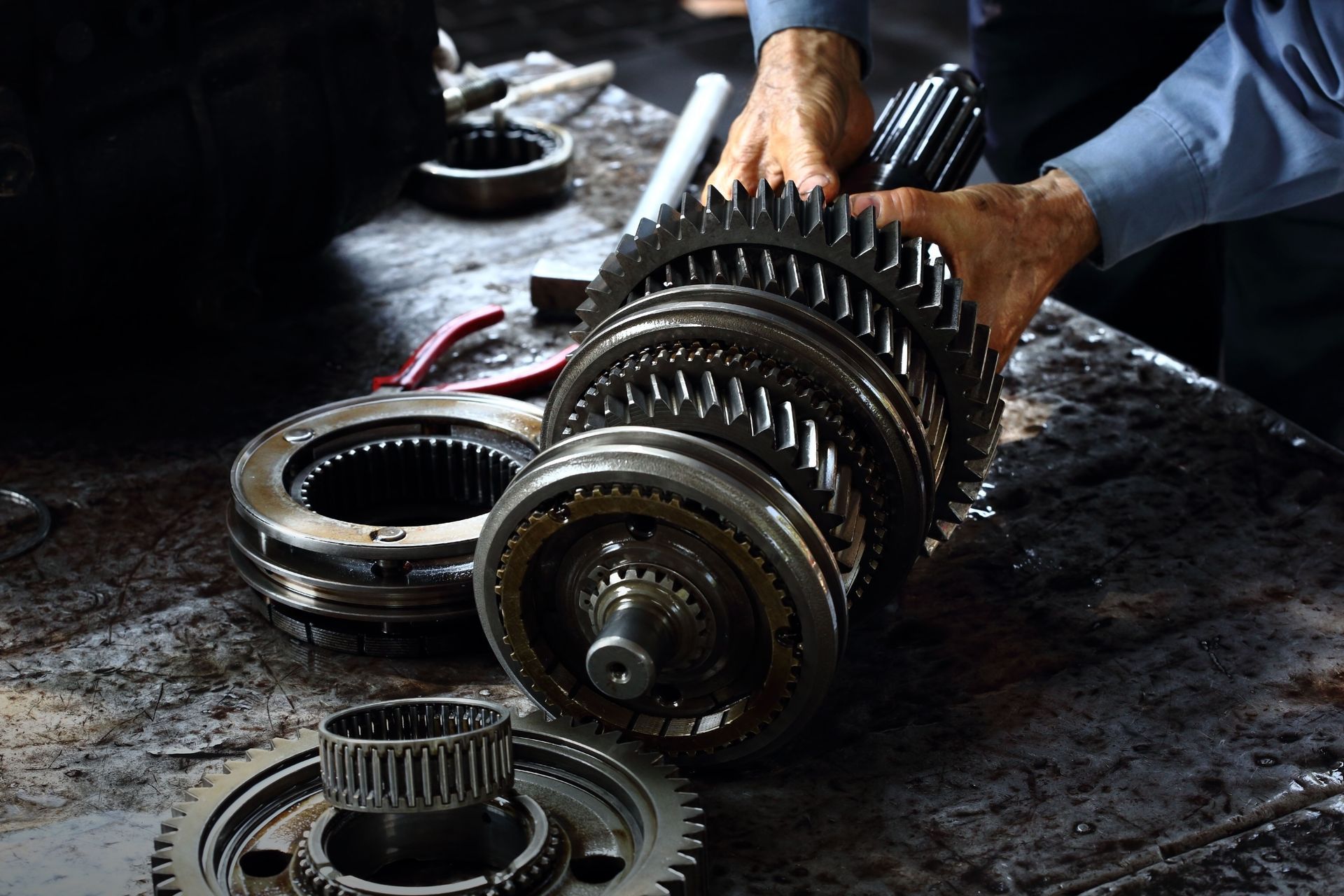
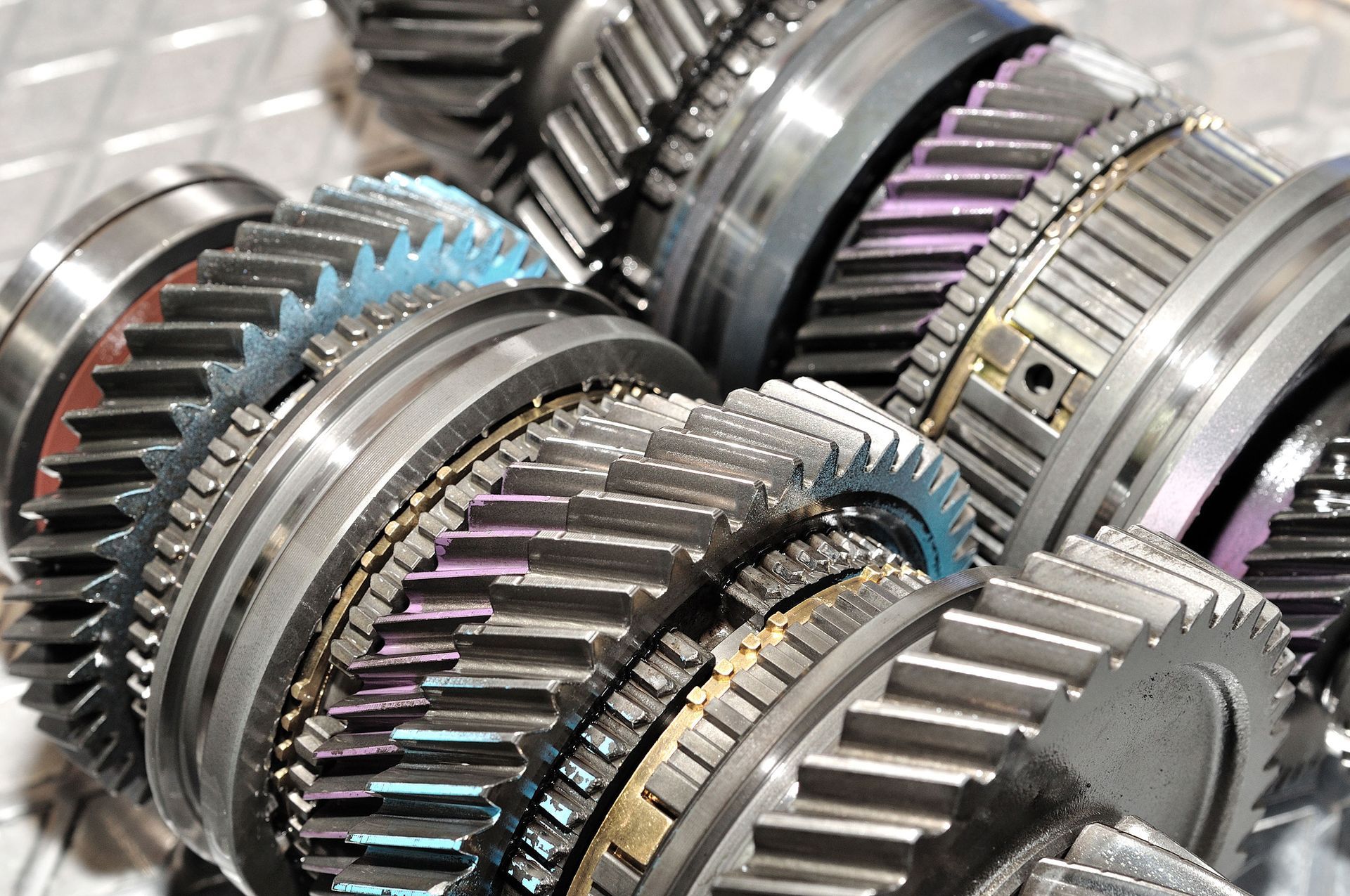
Focusing on specific systems needing attention, drivetrain and transmission top the list. We offer comprehensive diagnostics and inspections to ensure optimal function. Early detection allows for simple fixes like fluid changes or torque converter repairs. Advanced wear solutions include expert transmission rebuilding, ensuring vehicle efficiency. Beyond the gearbox itself, we handle the entire power delivery system. This includes axle repair, differential service, and driveline repair to ensure smooth handling and power transfer to the wheels. Whether you drive an automatic or manual, we have the expertise for automatic transmission repair and manual transmission repair. To further protect your investment, we offer transmission cooler installation to manage heat, which is the primary cause of most transmission problems.
The growing movement towards proactive vehicle care is shaping the future of automotive maintenance. By focusing on prevention rather than reaction, this approach offers tangible benefits in safety, performance, cost savings, and environmental preservation. Although challenges remain, concerted efforts from stakeholders and advances in technology promise to make proactive care accessible and effective for all. As consumer attitudes shift and industry trends support this paradigm, proactive vehicle care is set to become a cornerstone of responsible vehicle ownership. Embracing proactive maintenance is a forward-thinking choice, ensuring vehicle reliability and contributing to a sustainable future. If you are in Spartanburg, SC, and want to stay ahead of potential issues, reach out to Cook's Transmission Service for free quotes available today. Contact Cook's Transmission Service to schedule your appointment and keep your vehicle running at its best.