The journey toward automotive longevity begins with the realization that a car is not merely a machine but a complex ecosystem of interconnected parts. Discovering time-tested strategies and practical tips to ensure your vehicle remains reliable and roadworthy for decades is the primary goal of any dedicated owner. Learning the secrets to maximizing a car's lifespan and maintaining its performance involves a comprehensive understanding of how various components interact.
This guide covers essential maintenance practices, driving habits that reduce wear and tear, and the importance of professional oversight. With these insights, your car can remain a functional part of your life for years, if not decades.
Performing Consistent System Inspections
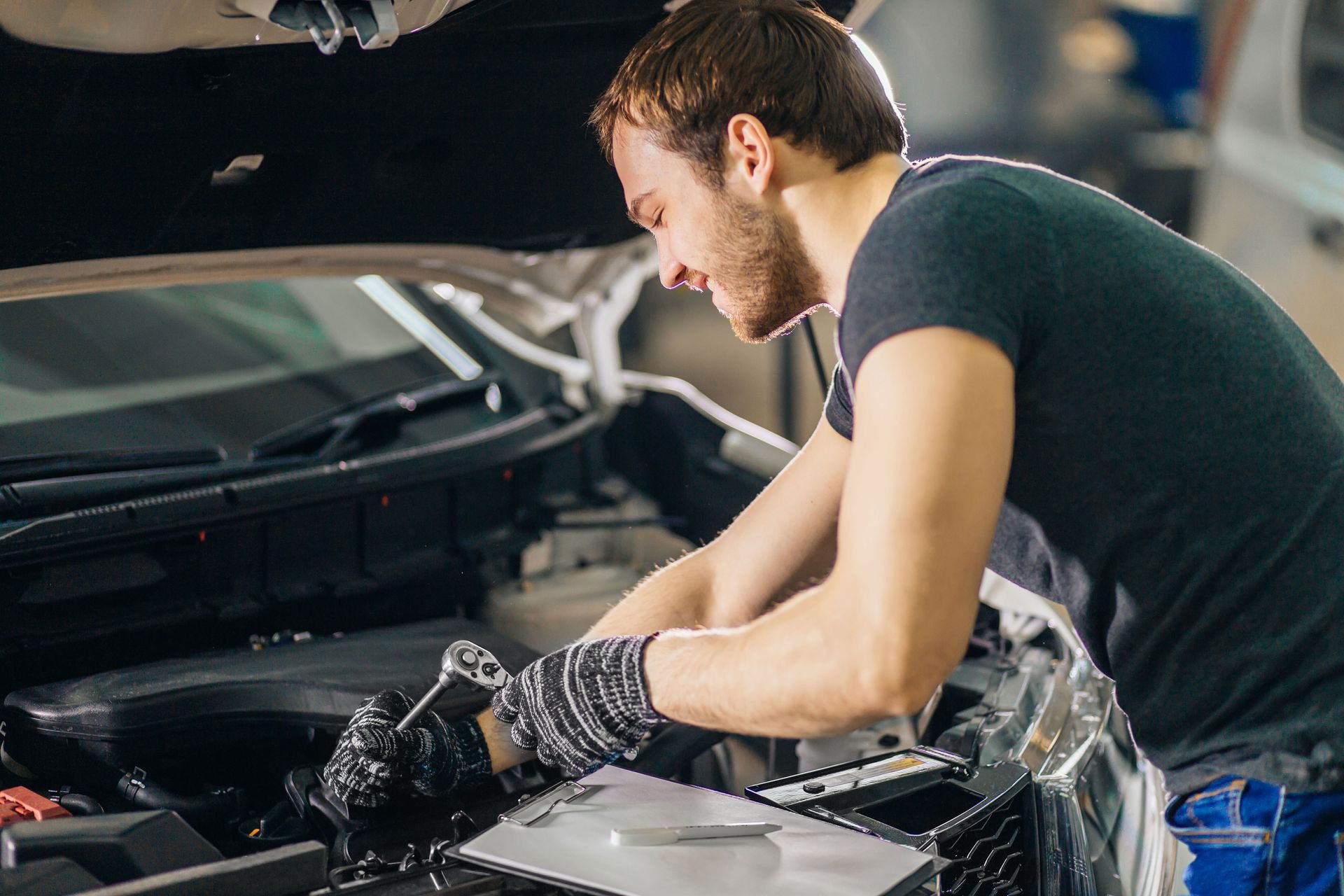
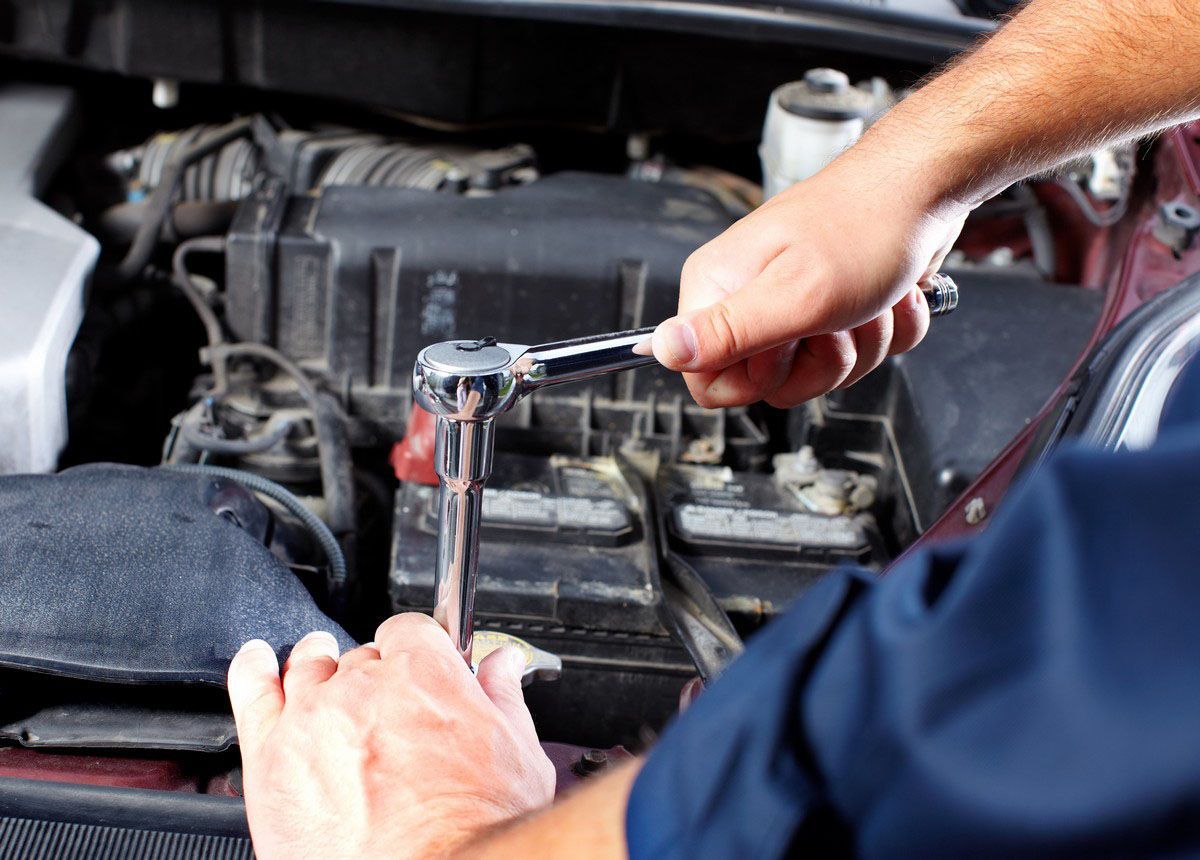
Routine check-ups are paramount for any vehicle aiming to reach an impressive lifespan. Professional inspections help identify potential issues before they escalate, saving you time and money in the long run. They can magnify the health and reliability of the vehicle, offering peace of mind to the driver. Engaging a professional mechanic for these activities ensures a more comprehensive evaluation of the internal systems.
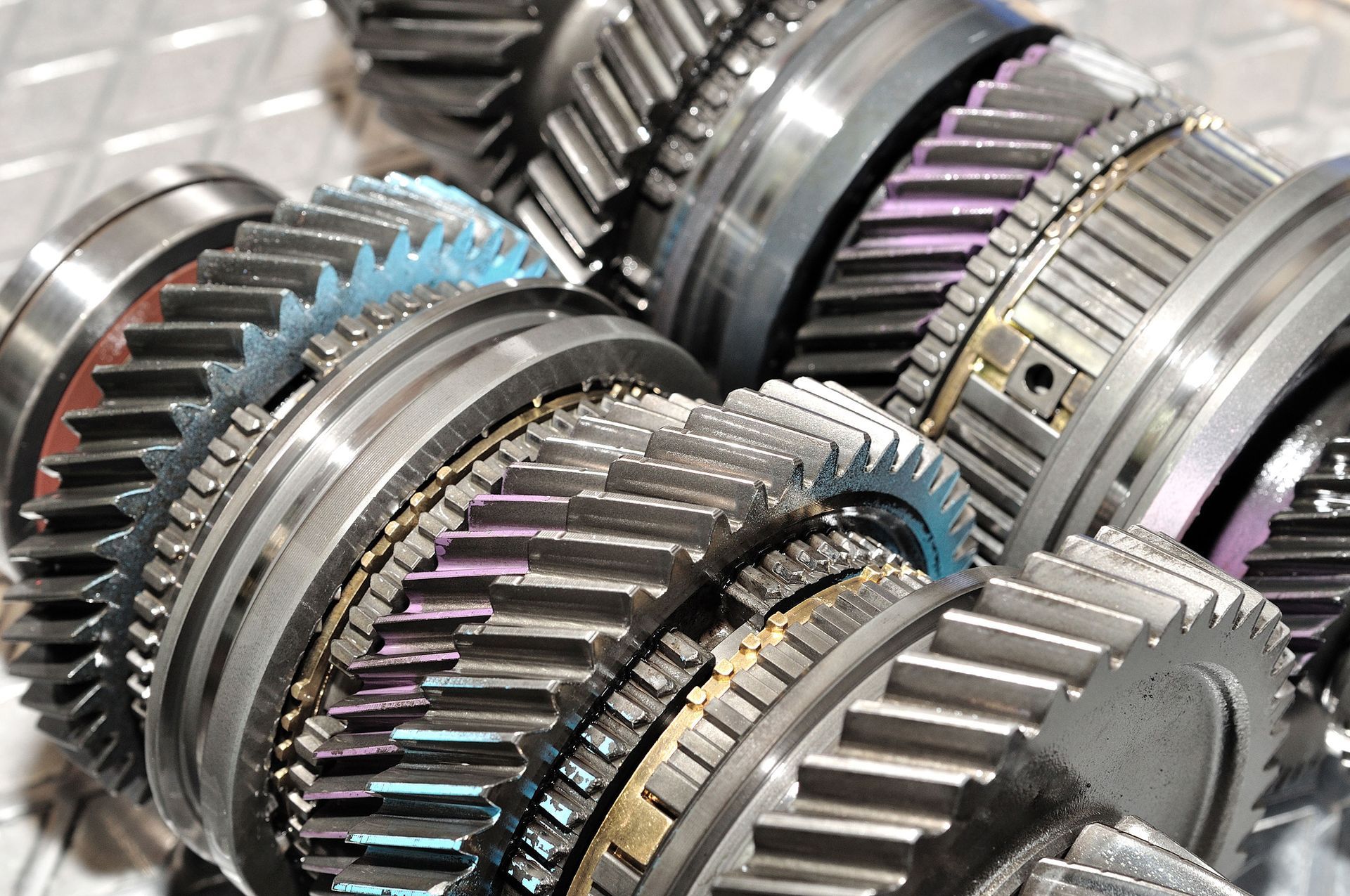
During a routine check-up, mechanics will often perform multi-point inspections to evaluate the car's condition. These evaluations include checking fluid levels, inspecting the brakes, and examining the suspension system. Early identification of problems can prevent larger, costlier issues. Routine checks help maintain the integrity of crucial systems like the transmission. According to BMW of Meridian, a transmission can last for over 300,000 miles if properly maintained. Consistency in servicing goes beyond just mechanical check-ups; it is a commitment to your vehicle's well-being. Adopting a proactive mindset helps in addressing wear and tear issues before they become catastrophic. It ensures that small fixes do not turn into significant problems. This forward-thinking approach will pay off when unexpected situations arise and contribute to the overall longevity of your vehicle.
Monitoring Vital Engine Fluids
Oil changes are fundamental to maintaining engine health and efficiency. Clean oil ensures that the engine's components are well-lubricated, reducing friction and wear. Ideally, oil changes should align with the vehicle's specific make and model requirements. Regularly checking oil levels and replacing the oil filter are also vital steps. Staying on top of this prevents engine damage and lowers the risk of potential breakdowns on the road. Maintaining the appropriate levels of other fluids is also critical. This includes coolant, brake fluid, transmission fluid, and power steering fluid. Each fluid plays a unique role in the vehicle's operation, from cooling the engine to ensuring effective brakes.
It is wise to inspect these fluid levels monthly and have them topped up when necessary. This habit contributes significantly to prolonging the life of various parts of your vehicle. Neglecting fluid changes and checks can result in serious consequences, such as engine overheating or a costly transmission problem. Consistent monitoring and timely replacement are minor investments with substantial long-term rewards. Furthermore, paying attention to fluid color and consistency provides an early detection system for internal leaks and other issues.
Enhancing Performance Through Alignment
Tires are a vehicle's only contact with the road, and their condition directly affects safety and performance. Proper tire maintenance begins with regular pressure checks and alignments. Under-inflated or over-inflated tires can wear unevenly and affect fuel efficiency. Regularly rotating tires is also crucial to ensure even wear across all front and back tires. This discipline will help avoid premature tire replacement and ensure better handling on roads. Wheel alignment is vital for vehicle stability and responsiveness. Misalignment can cause a car to veer to one side and create uneven tire wear. It is advisable to check the alignment annually or whenever you notice unusual handling. Ensuring proper alignment not only extends tire life but also optimizes fuel economy and safety.
It is a subtle yet essential part of regular vehicle maintenance that significantly enhances longevity. Moreover, tire treads provide grip and traction; inspecting them for sufficient depth and damage is necessary. Driving with worn-out treads is dangerous, especially in wet or icy conditions. By investing in quality tires and adhering to maintenance practices, you contribute positively to the vehicle's overall lifespan. It is an investment in security, efficiency, and the enduring functionality of your vehicle. Overall, tire care is a vital aspect of keeping your vehicle reliably on the road over the decades. When you neglect these aspects, you may inadvertently cause a transmission problem due to the extra strain placed on the drivetrain to compensate for poor traction.
Implementing Better Driving Habits
Smooth driving techniques significantly impact the long-term health of your vehicle. Abrupt acceleration and hard braking hasten the wear of critical components including brakes, the engine, and the gearbox. By adopting a gentle driving style, stress on these parts is minimized. It allows for optimal fuel consumption and aligns with manufacturer recommendations for smoother performance. Smooth transitions not only benefit the car mechanically but contribute to a more comfortable driving experience. Unnecessarily fast acceleration can lead to higher engine temperatures and increased fuel consumption.
Embracing gradual acceleration and deceleration minimizes the stress on the vehicle's mechanical systems. This approach conserves fuel and enhances the life span of various components. The cumulative effect of these driving habits can lead to considerable savings on maintenance and fuel over the vehicle's life. Drivers should anticipate traffic conditions and maintain adequate following distance to allow more time for braking. This reduces the need for harsh stops and starts, preserving the integrity of brakes and engine components. Mastering efficient driving habits offers a sustainable method to improve the vehicle's life expectancy. Hard driving is often a precursor to a transmission problem that could have been avoided with patience.
Protecting The Exterior Integrity
The paint job on a vehicle is more than aesthetic; it serves as the first layer of protection against environmental elements. Regular washing and waxing guard the paint from harmful elements like UV rays, pollutants, and road debris. It prevents oxidation and rust, which can significantly degrade surface integrity. Proper care involves the use of quality cleaning products and techniques to avoid scratching the surface. Regular maintenance of the paintwork extends the visual and protective quality years into the future. Applying protective coatings can further shield the paint from damage. Options like ceramic or polymer coatings provide an additional layer of protection against minor scratches and UV rays.
Plus, they can enhance the resale value of the vehicle by keeping it looking newer for longer. These investments are beneficial in the long run for sustaining the vehicle's appearance and integrity. Protecting the paint does not end with cleaning and coating; parking practices play a role too. Avoiding long exposures to direct sunlight and parking in shaded or covered areas can prevent fading and cracking. Moreover, being cautious in high-traffic areas where dings and scratches are likely also helps maintain aesthetic appeal. While you focus on the exterior, remember that an overlooked transmission problem can be just as damaging to your car's future as rust on the body.
The dedication required to keep a vehicle for decades is a marathon, not a sprint. It demands a blend of consistent maintenance, observant driving, and the selection of quality service providers. Ignoring the small signs of wear or failing to change fluids on time can lead to a significant
transmission problem that ends the vehicle's life prematurely. However, with the right approach and a focus on preventative care, your car can defy the standard expectations of depreciation. Taking the time to understand the needs of your specific make and model ensures that you are providing the best possible environment for longevity. For those who want to ensure their vehicle receives the highest level of care and professional attention, reaching out to our team at Cook's Transmission Service is the next logical step.