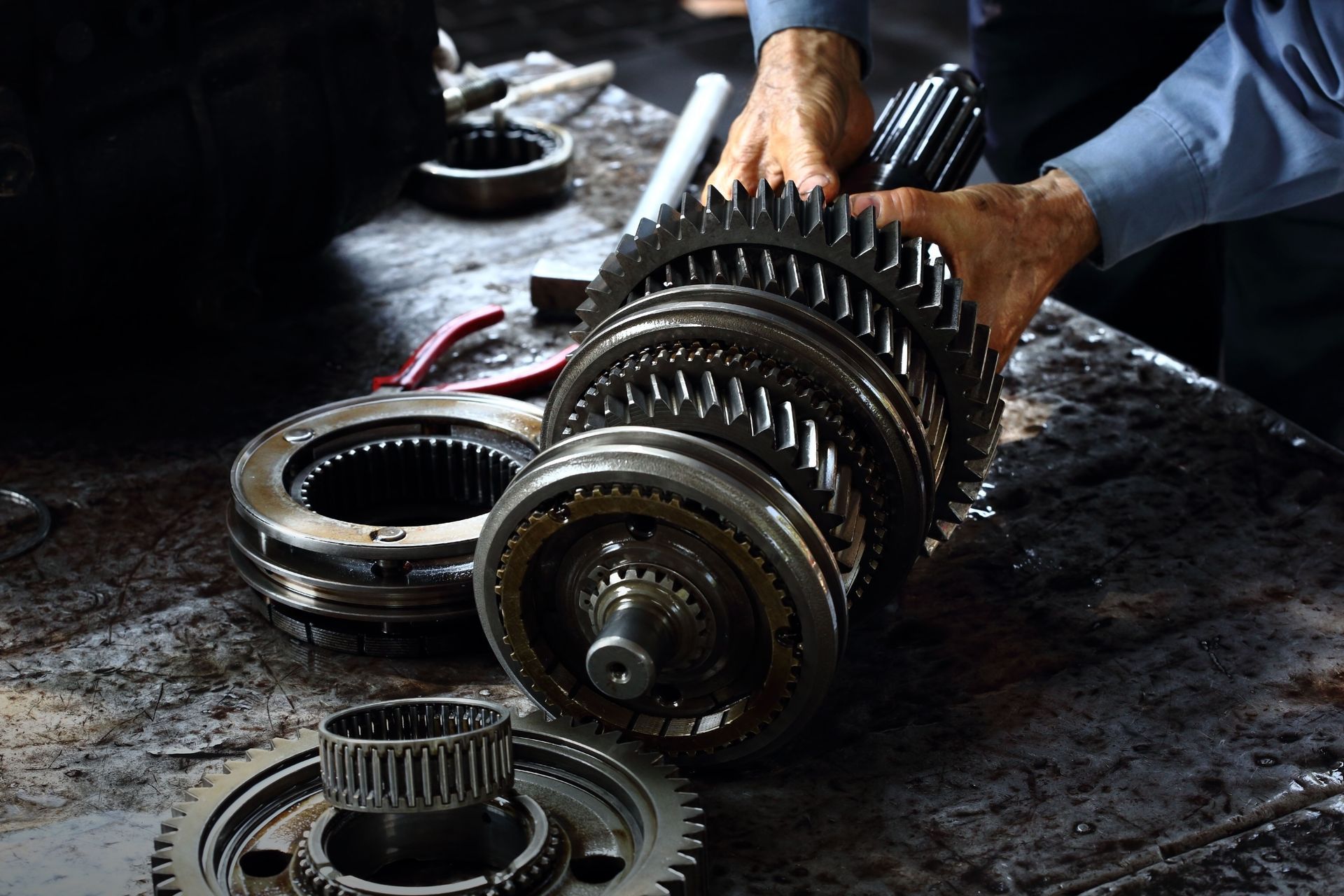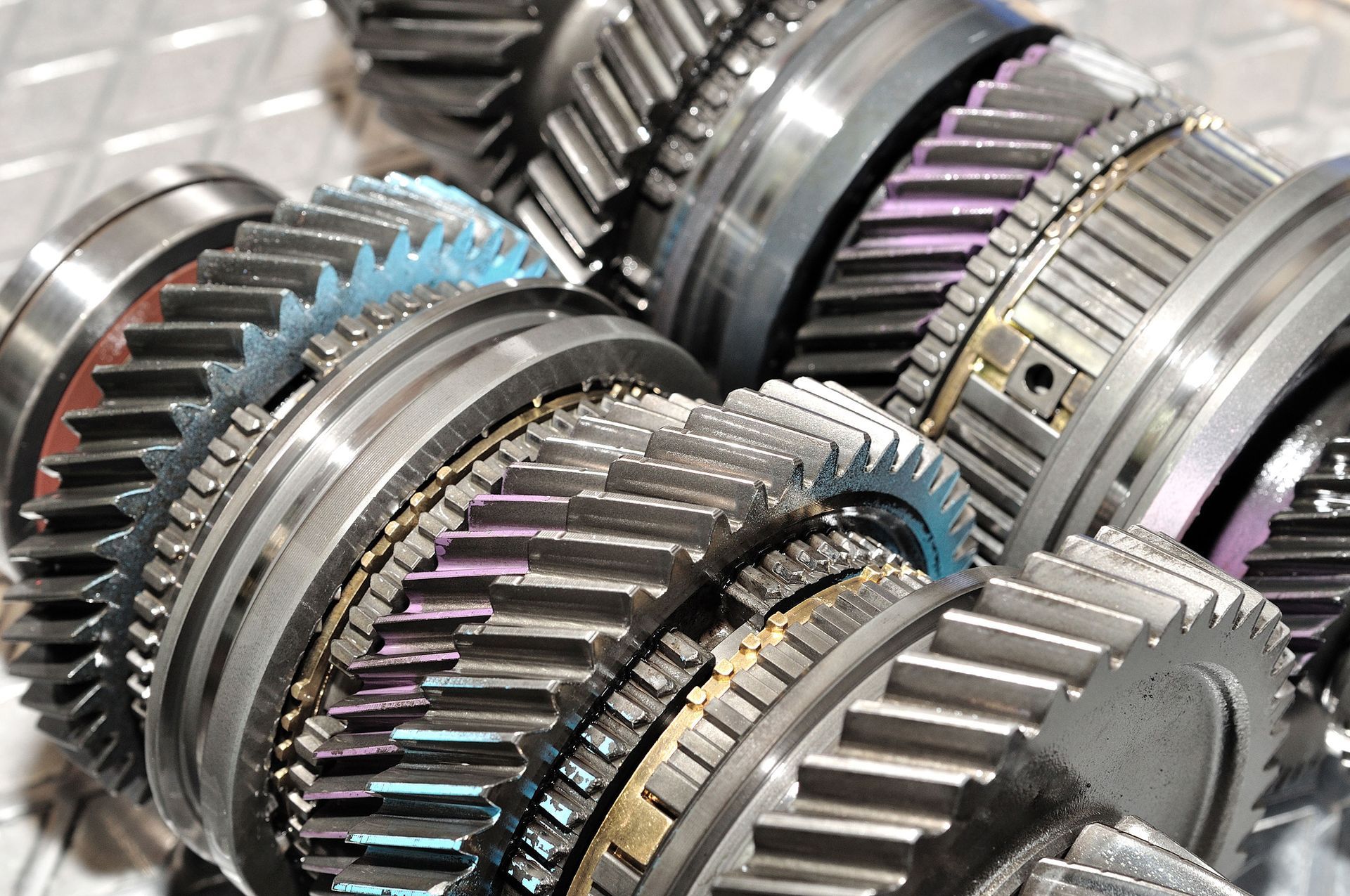
A vehicle’s transmission plays a critical role in ensuring smooth operation, efficient performance, and overall driving comfort. It is responsible for transferring power from the engine to the wheels, allowing your car to shift gears seamlessly and respond appropriately to different driving conditions. Because of its complexity and importance, the transmission must function properly for your vehicle to remain reliable and safe.
Over time, however, wear and tear can take a toll on this essential system. When issues arise, vehicle owners are often faced with an important decision: repair the transmission or move forward with transmission replacements. Understanding when a replacement becomes necessary can help you avoid unexpected breakdowns, reduce long-term costs, and maintain the performance of your vehicle. This guide explores the signs, causes, and considerations involved in determining when transmission replacements are the right solution.
Recognizing Early Warning Signs
Transmission problems rarely occur without warning. In most cases, your vehicle will exhibit noticeable symptoms that indicate something is not functioning correctly. Paying attention to these early warning signs can help you address issues before they escalate into more serious damage.
One of the most common indicators is difficulty shifting gears. If your vehicle hesitates, jerks, or struggles when transitioning between gears, it may signal internal wear or fluid-related issues. Unusual noises such as grinding, whining, or clunking sounds can also point to transmission trouble. These noises often suggest that internal components are not operating smoothly.
Another sign to watch for is slipping gears, where the transmission unexpectedly changes gears without driver input. This can create a loss of power and make driving unpredictable. Additionally, delayed acceleration, leaking fluid, or a burning smell are all signals that should not be ignored. While these issues may sometimes be resolved with repairs, persistent or worsening symptoms often indicate the need for transmission replacements.
Understanding Common Causes of Transmission Failure
Transmission failure can result from a variety of factors, many of which develop gradually over time. One of the leading causes is insufficient or degraded transmission fluid. This fluid plays a vital role in lubricating internal components, preventing overheating, and ensuring smooth gear transitions. When fluid levels are low or contaminated, it can lead to increased friction and eventual damage.
Another common cause is overheating. Excessive heat can break down fluid and damage internal parts, leading to reduced performance and reliability. Overheating may occur due to heavy towing, stop-and-go traffic, or a malfunctioning cooling system.
Wear and tear from regular use is also inevitable. As vehicles age, components such as gears, seals, and clutches naturally degrade. In some cases, poor maintenance habits or delayed servicing can accelerate this process. External factors, including manufacturing defects or accidents, may also contribute to transmission failure. When damage becomes extensive, transmission replacements are often the most practical and effective solution.
Evaluating Repair Versus Replacement
When transmission issues arise, one of the most important decisions is whether to repair the system or pursue a full replacement. This choice depends on several factors, including the severity of the damage, the age of the vehicle, and long-term cost considerations.
Minor issues, such as small leaks or worn seals, can often be resolved with targeted repairs. These fixes are typically less expensive and can restore functionality without the need for a complete overhaul. However, when multiple components are damaged or the system has experienced significant wear, repairs may only provide a temporary solution.
In such cases, transmission replacements may offer greater reliability and value over time. A replacement ensures that all components are restored to proper working condition, reducing the likelihood of recurring problems. While the upfront cost may be higher, it can prevent repeated repair expenses and provide peace of mind.
Professional technicians can conduct a thorough inspection to determine the best course of action. Their expertise allows them to assess the condition of the transmission and recommend a solution tailored to your vehicle’s needs.
Considering Vehicle Age and Usage
The age and usage of your vehicle play a significant role in determining whether transmission replacements are necessary. Older vehicles with high mileage are more likely to experience extensive wear, making replacement a more practical option. In these cases, repairs may not address underlying issues that have developed over time.
Driving habits and conditions also influence transmission health. Vehicles that are frequently used for heavy loads, long commutes, or stop-and-go traffic may experience more stress on the transmission. This increased demand can accelerate wear and lead to more frequent issues. Frequent braking and accelerating in congested areas can place continuous strain on internal components, while carrying heavy loads or driving on steep inclines can cause the system to work harder than usual, generating additional heat and friction.
According to 360 Research Reports, passenger vehicles account for about 58.1% of overall transmission repair activity, largely due to extended ownership cycles. As drivers keep their vehicles longer, the likelihood of needing transmission replacements increases. Understanding how your vehicle is used can help you anticipate potential issues and make informed decisions about maintenance and replacement.
Understanding the Benefits of Professional Replacement
Choosing professional transmission replacements offers several advantages that go beyond simply fixing the problem. One of the primary benefits is reliability. A professionally installed transmission ensures that all components are properly aligned, calibrated, and functioning as intended.
Another advantage is improved performance. A new or rebuilt transmission can restore smooth shifting, enhance fuel efficiency, and provide a more comfortable driving experience. This can make a noticeable difference in how your vehicle operates daily.
Safety is also a key consideration. A failing transmission can lead to unpredictable behavior on the road, increasing the risk of accidents. By addressing the issue with a professional replacement, you can ensure that your vehicle remains safe and dependable.
Additionally, professional services often include warranties, providing added protection and confidence in the work performed. This level of assurance is something that repairs alone may not always offer.
Planning for Long-Term Vehicle Health
Transmission replacements are not just about addressing immediate issues—they are also an investment in the long-term health of your vehicle. Proper planning and maintenance can help you maximize the lifespan of your new transmission and avoid future problems.
Regular servicing is essential. This includes checking fluid levels, replacing worn components, and ensuring that the system remains properly lubricated. Following manufacturer recommendations for maintenance can go a long way in preserving performance.
It is also important to adopt mindful driving habits. Avoiding excessive strain on the transmission, such as aggressive acceleration or heavy towing without proper equipment, can help reduce wear. Paying attention to early warning signs and seeking professional assistance promptly can prevent minor issues from becoming major concerns.
By taking a proactive approach, you can extend the life of your transmission and maintain the overall reliability of your vehicle.
Transmission replacements are a significant but sometimes necessary step in maintaining your vehicle’s performance and safety. By understanding the warning signs, causes of failure, and factors that influence repair decisions, you can make informed choices that protect your investment. While the process may seem complex, working with experienced professionals ensures that your vehicle receives the care it needs. Ultimately, addressing transmission issues promptly and effectively can help you enjoy a smoother, more dependable driving experience for years to come.
If you are experiencing transmission issues or want expert guidance on your next steps, Cook’s Transmission Service is here to help. We provide professional evaluations and reliable solutions tailored to your vehicle’s needs, ensuring you can drive with confidence and peace of mind.